
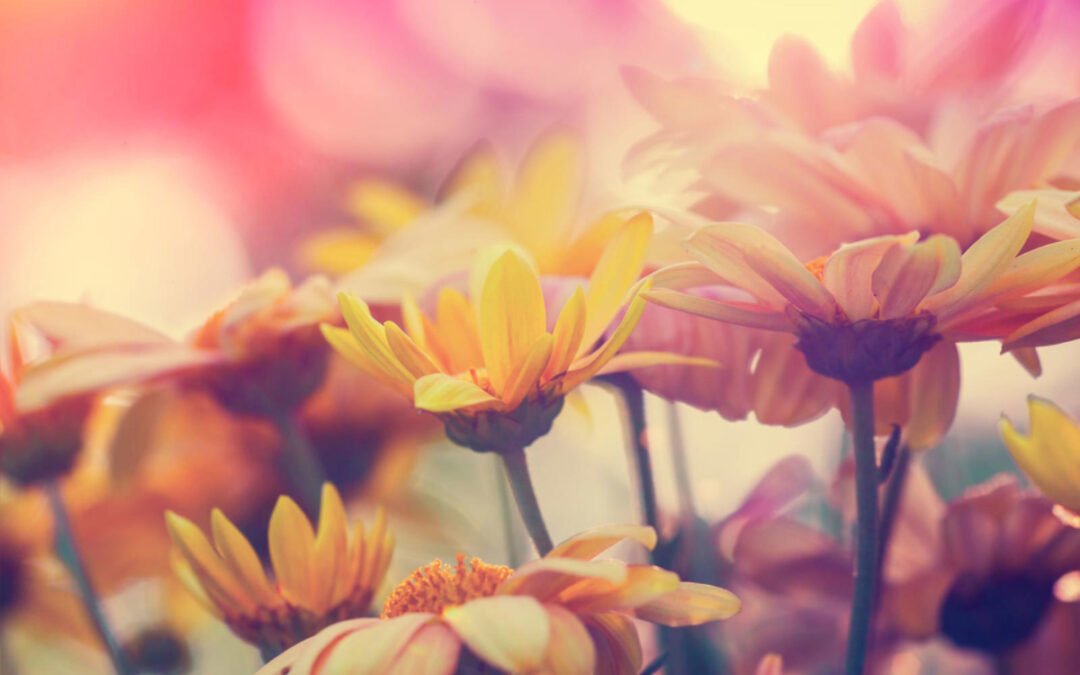
The Autumn Flowers of Nelspruit

The Autumn Flowers of Nelspruit

In autumn you will find the Lowveld in bloom with colour.  The many beautiful flowers will make your visit to this area abuzz with colour, and when staying at Nelspruit Lodge, you can spend your days in the gardens, enjoying the warm autumn air.

Our Nelspruit accommodation boasts a variety of beautiful flowers and when travelling around town, you can see these flowers and so many more.

  • Kudu Lily
    This succulent shrub will delight in autumn with its stunning white flowers that appear between the lush green leaves among the spines on the branches.    Apart from its sheer beauty, this flower is toxic to humans and livestock.  The Kudu Lily is a very slow growing plant and does not adapt readily to new environments making it almost extinct in certain areas.
  • Wild Dagga (Lion’s Tail)
    Wild Dagga flowers in Autumn and is a true delight as the sunbirds love their nectar.  The shrub itself is sparse with 4 angled stems.  The leaves of this shrub are hairy and grow in pairs.  The flowers, however, are dense and about the size of a golf ball consisting of the tube-like orange flowers.  Although the leaves of the Wild Dagga are smoked, they are not a substitute for Dagga.  The plant is said to have medicinal qualities and traditionally used as a cure for pain, colds or flu.  Certain properties of the plant are said to aid with Type 2 Diabetes, epilepsy or constipation.
  • Bougainvillaea
    These bushes of colour can be found in just about every garden in the Lowveld.  When in bloom this is a truly spectacular spray of flowers.  Bougainvillaea comes in a variety of colours, Pink, White, Magenta, Red, Orange or Yellow.  These bushes need little water once established and fairly easy to grow.  Many people bonsai them from tip cuttings.
  • Pride of De Kaap
    The main flowering time of the Pride of De Kaap is March and April when they come alive with a flower that ranges in colour from salmon to orange and yellow to white.  The petals are oar-shaped and a length of 4cm.  When looking at the name you would think it belongs in the Cape but in actual fact, the name comes from the De Kaap Valley in the Barberton area of Mpumalanga.  These plants enjoy the bushveld climate.
  • Red Hot Poker
    Red hot pokers can be seen in bloom late summer to autumn.  These flowers have stems of up to 1.5 meters in height before the slender tube-like flower.  The flower heads start off a dull red but change in colour to yellow or green-yellow when they open.
  • Chrysanthemum
    Chrysanthemum’s bloom in autumn and are one of the prettiest variety of autumn flowers in the Lowveld.  A single bush can have multiple flower heads and they come in a variety of colours.  These flowers like the sun and require about six hours of sun each day.  Once established in your garden these plants are hardy.  Remember to cut the dead flowers off and you will be rewarded with double the amount of flowers when it flowers again.

Nelspruit Lodge is situated in one of the most beautiful parts of town, and our gardens are filled with all kinds of plants. Book your Nelspruit accommodation today.

Autumn Trees of the Lowveld

Autumn Trees of the Lowveld

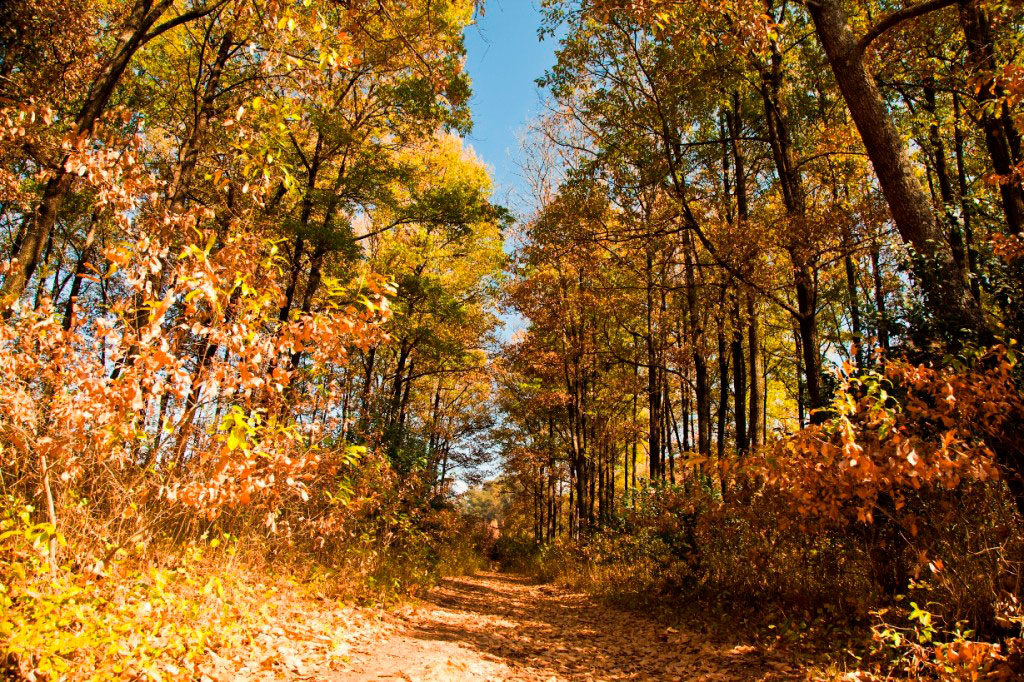
Autumn in the Lowveld lasts from about April to May and during these months the town experiences a more pleasant temperature than the summer months with nighttime temperatures of about 12 degrees and days a warm and breezy 25 degrees.

The autumn foliage of the Lowveld is truly delightful and you can experience it when staying at Nelspruit Lodge.

  • Coast Goldleaf
    The Bridelia Micrantha, or Coast Goldleaf as it is also known, is a tree that is found throughout the Lowveld.  This is a fast-growing tree which reaches a height of 20 meters.  The Coast Goldleaf will add a splash of colour to any garden with its yellow, orange and purple leaves as well as shade from a neatly shaped crown of leaves within about three years of being planted.

    The fruit from this tree is edible and when fully ripe this sweet fruit is black.  Boiled bark can be used for a variety of ailments such as stomach ache and diarrhoea.  Bark extract is also said to cure scabies and if the bark is made into powder it can be used to speed up the healing of burn wounds.

  • Jacket Plum
    Pappea Capensis, otherwise known as the Jacket Plum or Indaba tree, has fruit in autumn and the unusual characteristic about this fruit is that sometimes they are amber and other times red in colour.  The reason for this is unknown but the fruit is a tasty treat for both humans, animals and birds.

    This tree is easy growing in the Lowveld while it does grow slower in cooler climates and can reach a height of 8 meters when fully grown.  Oil is extracted from the roasted seeds, and the oil is used for oiling rifles or as a cure for ringworm while it can also be used for making soap.  The leaves, bark and oil are also said to cure baldness, nosebleeds, eye infections or chest complaints.

  • Toad Tree
    The Toad Tree, or Tabernaemontana Eleganshas, has twin-lobed fruits with warty skins much like a toad.  This tree grows easily to a height of 12 meters, so if you thinking of planting this tree in your garden make sure you give it enough space to grow. The fruit from this tree can be eaten.  Once the fruit is ready for eating the pod breaks open to reveal a yellow pulp.

    Zulu people add the pulp to milk.  Traditional Healers have used various concoctions to treat patients.  The milky sap from this tree is used as a styptic while root infusions can be used for chest ailments and stomach ache.  The root is said to cure tuberculosis.  As a cancer treatment the inner layer of the fruit wall is dried, pulverised and boiled.  The water is then filtered and taken orally.

  • Kiaat
    Kiaat, also known as Bloodwood or Pterocarpus Angolensis, can be recognised in the autumn months by their broad pods.  Under the right conditions, this tree can grow up to 18 meters tall with dark brown bark and sports a wide crowned canopy of leaves.

    This tree can only be grown in warm to hot, frost-free areas.  The seeds of this tree are not eaten by humans but are eaten by squirrels, baboons and monkeys despite the pods having sharp bristles on them.  When you cut this tree down it has a red sap much like blood.  This sap was used traditionally as a dye or mixed with animal fat to make cosmetics.  The sap is said to cure problems concerning the blood mainly because of its resemblance to blood.

Book your stay at Nelspruit Lodge and explore a city close to nature. Browse our website to view our Nelspruit accommodation options.