Sep 22, 2019 | Accommodation in Nelspruit, Nelspruit Accommodation, Things to in and around Nelspruit
All Lowvelder’s are spoilt by the weather. Although the summers can get swelteringly hot, the winters are mild and whether its summer or winter, it is always picnic weather in our part of the world.
Best Place for a Picnic
A favourite picnic spot for locals has got to be the Lowveld Botanical Gardens. The Crocodile River is at the entrance to the gardens bringing an air of coolness with it. The eastern bank of the Crocodile River is home to a tropical rainforest. The gardens are always well maintained and alive with over 600 indigenous trees. The Lowveld Botanical Gardens also have cycads and a wide variety of shrubs and plants. And nestled amongst the vegetation are some of the most tranquil picnic spots.
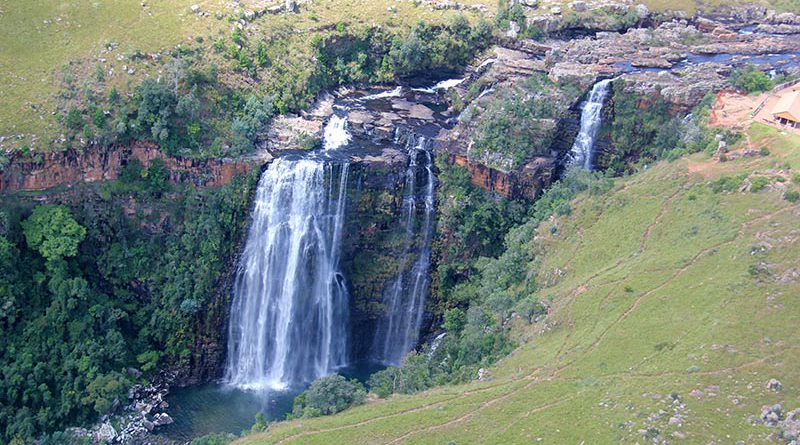
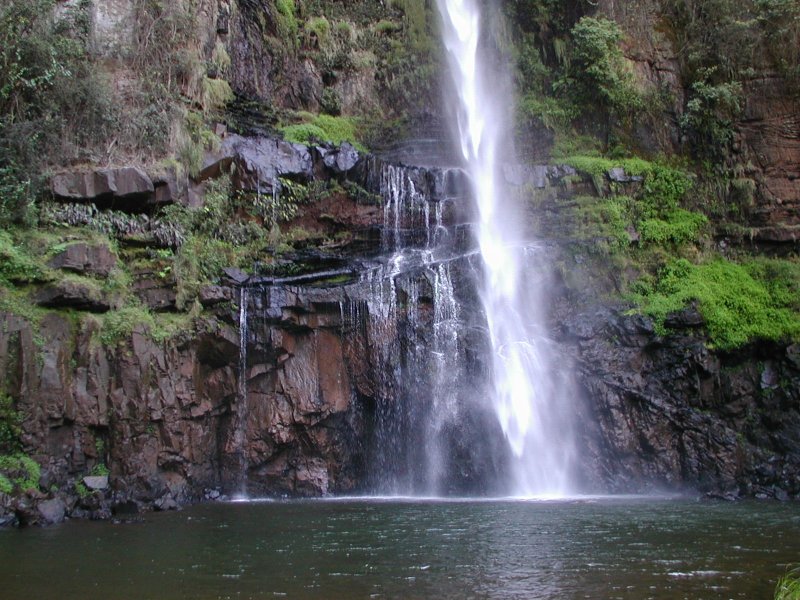
Just outside of Sabie is a well-known landmark; the Lone Creek. An easy 200 meter walk from the parking area is a waterfall that will truly take your breath away. The waterfall is 68 meters high and falls in into a tranquil pool at the bottom. After viewing these spectacular falls there is a beautiful picnic spot. The falls have been declared a National Monument.
For the more adventurous, there is the option of spending a day at the Mafunyane Riverside Water Park. Here the outdoor enthusiast will have 7 water attractions to experience. The names Cheetah Callenge, Leaping Leopard and Boomslang Bungee are bound to bring out the child in most adults. Here are super slides and sparkling pools to satisfy adults and children. Be sure to bring your picnic basket to enjoy on the lawns, as all that swimming will leave you hungry.
If nature’s peace and quiet is more your thing, the Steiltes Nature Reserve is the place for you. Found in town in the suburb of Steiltes, this gem is an undisturbed piece of nature not to be missed. At the centre of this reserve is a massive granite dome. Here the rocky terrain is a haven for all kinds of wildlife, including the klipspringer. On the rocky outcrops, you will see Rock Figs, Stumvrug and a wide variety of aloes. Running through the middle of the reserve is a stream. The stream is lined with gigantic Matumi and Waterberry trees that make it a perfect hunting ground for the Crowned Eagle. For the avid birder, there are a wide variety of birds that nest in the reserve. And adding to the beauty are numerous butterflies. Other trees to be seen are the Kiaat, Silver Cluster Leaf and Marula. A picnic can be enjoyed in the open grassy areas. Baboons can be heard and care should be taken in summer as snakes live in the reserve.
The Horse Shoe Falls are located on the Sabie Rivers. After taking a short walk that is alive with birds and small wildlife you will find this unique cascade. When you see the falls you will know why it was called the “Horseshoe” falls. This exquisite waterfall is in the shape of a horseshoe. These falls are not that high, but their circular appearance makes them quite unusual. The Horseshoe Falls have been declared a national monument. Not to be missed at the falls is the trout fishing. While enjoying the tranquil beauty of the area, you can have a picnic and also a swim in the refreshing pools.
When staying at our Nelspruit accommodation, don’t miss out on the opportunity to spend some time enjoying a picnic.
Sep 10, 2019 | Nelspruit Accommodation, Nelspruit Lodge
When traveling on the N4 from Pretoria or Johannesburg, you will pass a sign saying Waterval Boven. Next time you are travelling to Nelspruit and go past this sign, make it part of your getaway and take a trip into this long forgotten town.
Waterval Boven was established in 1898 as an NZA SM (Netherlands-South African Railway Company) railway settlement. The name “Waterval Boven” is Dutch and it means “Above Waterfall”. It was named after the waterfall on the Elands River. Some of the NZA SM structures are still scattered about the town. At the heart of the town, you can see the NZA SM administrative building.
The building that housed single staff employees has been turned into a library. Married quarters were made up of semi-detached homes and these typical sandstone buildings are still standing today. Different from all other NZASM Buildings was the resident doctor’s house. Built in 1899, it was constructed with brick and had a characteristic stepped gable. Sadly the name of the architect was not recorded, only the name of the contractor, Guiseppi Dreosti. It is likely that he was commissioned privately.
The most significant building is the tunnel at Waterval Boven. It has been declared the most famous and best known of all the NZASM structures. This site has been declared a Provincial Heritage Site as well as a major tourist attraction.
It took a lot of planning but in October 1892 work started. It took two teams, working from opposite sides of the mountain, and lots of drilling and blasting through the rock to eventually join in the middle in September 1893. Once through, the inside walls were lined with stone masonry for extra strength. Railway tracks were laid down and in 1894, with much celebration throughout the country, the Eastern Railway was opened.
A Popular Tourist Attraction
This remarkable bit of historical engineering is open to tourists today. The tunnel is 211 meters and you can walk from one end to the other. As you enter the tunnel you will be amazed by the stone masonry on the inside walls.
The further you go into the tunnel, the darker it becomes until the sunlight at the entrance is just a speck of light. As you approach the middle, the tunnel curves slightly, leaving you in complete darkness for a brief section before you then again see a small spark of sunlight from the other end. There is a hushed silence from everyone walking through the tunnel as you can almost sense the old steam trains moving through the tunnel, black smoke streaming out behind them.
On the western side of the mountain, you can see where they blasted away a piece of the rock in order to shorten the length of the tunnel. After your walk through the tunnel, you can stand on the viewing deck and be in awe not only of the majestic Elands Falls but also of those brave men who built this tunnel.
When on your way to stay at our Nelspruit accommodation, be sure to add this attraction to your trip.
Sep 2, 2019 | Accommodation in Nelspruit, Things to in and around Nelspruit
The areas surrounding Nelspruit were born on the backs of the ancient mines. Dotted all around Barberton, Kaapsehoop, and Pilgrims Rest, to name but a few of the old towns, are mines going deep down into the earth. These same mines are the reason why our small part of the world is so filled with interesting history, and is the very reason why some places are now ghost towns.
When staying at our Nelspruit accommodation, you can easily spend a morning or afternoon visiting one of the old mining towns. The one closest to Nelspruit is Kaapsehoop and it is today an attraction that entices countless visitors, many of whom are from Nelspruiters seeking some peace, quiet and mountain air.
A bohemian town today, but a gold diggers delight back then, Kaapsehoop is well known for many reasons, including its mining heritage. And some of the oldest mines in the area can be found in and around the village of Kaapsehoop.
No one is quite sure exactly who first started mining here, or exactly where they came from. Although their artefacts and tools have been uncovered here. Few people have recorded history from this period, but the Mining Commissioner of Kaapsehoop at the time, David Wilson, did keep a record of a few of the examples of these early miners’ activities.
When the government at the time requested that a shaft be sunk for mining, in order to uncover the source of alluvial gold, an object was found. Once they reached a depth of 17 feet, what was initially thought of as a nugget was actually a square hinge. The one side of the hinge had a small piece of parchment upon which characters were written while on the other side was a piece of human hair. The scribbles on the parchment were not recognised. The outside of the hinge was decorated with figures.
The locket was such an interesting discovery that it was sent off to the Masonic Lodge in Barberton, as it was agreed that the symbols on the locket were masonic in origin. Since then the peculiar object has disappeared.
Other objects were also found, also with markings, but they too have been lost to history. The other notable artefact is a sarcophagus cut out of stone. This remarkable piece of stone was discovered on a rock lodge some 2000 feet above the plain between Lydenburg and De Kaap Valley.
The scatterings of history and the people who once made their living from the earth can be seen all across Kaapsehoop and a little digging back in time presents numerous fascinating stories. When you travel through this part of the world, don’t leave Kaapsehoop off your map.

Recent Comments