Sep 10, 2019 | Nelspruit Accommodation, Nelspruit Lodge
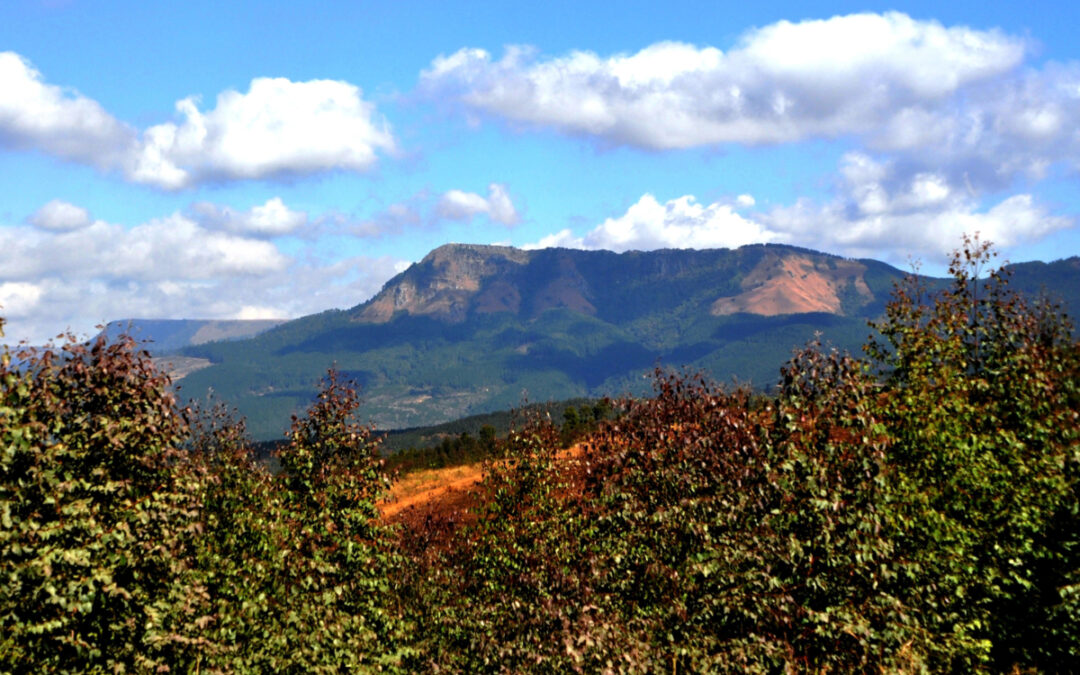
When traveling on the N4 from Pretoria or Johannesburg, you will pass a sign saying Waterval Boven. Next time you are travelling to Nelspruit and go past this sign, make it part of your getaway and take a trip into this long forgotten town.
Waterval Boven was established in 1898 as an NZA SM (Netherlands-South African Railway Company) railway settlement. The name “Waterval Boven” is Dutch and it means “Above Waterfall”. It was named after the waterfall on the Elands River. Some of the NZA SM structures are still scattered about the town. At the heart of the town, you can see the NZA SM administrative building.
The building that housed single staff employees has been turned into a library. Married quarters were made up of semi-detached homes and these typical sandstone buildings are still standing today. Different from all other NZASM Buildings was the resident doctor’s house. Built in 1899, it was constructed with brick and had a characteristic stepped gable. Sadly the name of the architect was not recorded, only the name of the contractor, Guiseppi Dreosti. It is likely that he was commissioned privately.
The most significant building is the tunnel at Waterval Boven. It has been declared the most famous and best known of all the NZASM structures. This site has been declared a Provincial Heritage Site as well as a major tourist attraction.
It took a lot of planning but in October 1892 work started. It took two teams, working from opposite sides of the mountain, and lots of drilling and blasting through the rock to eventually join in the middle in September 1893. Once through, the inside walls were lined with stone masonry for extra strength. Railway tracks were laid down and in 1894, with much celebration throughout the country, the Eastern Railway was opened.
A Popular Tourist Attraction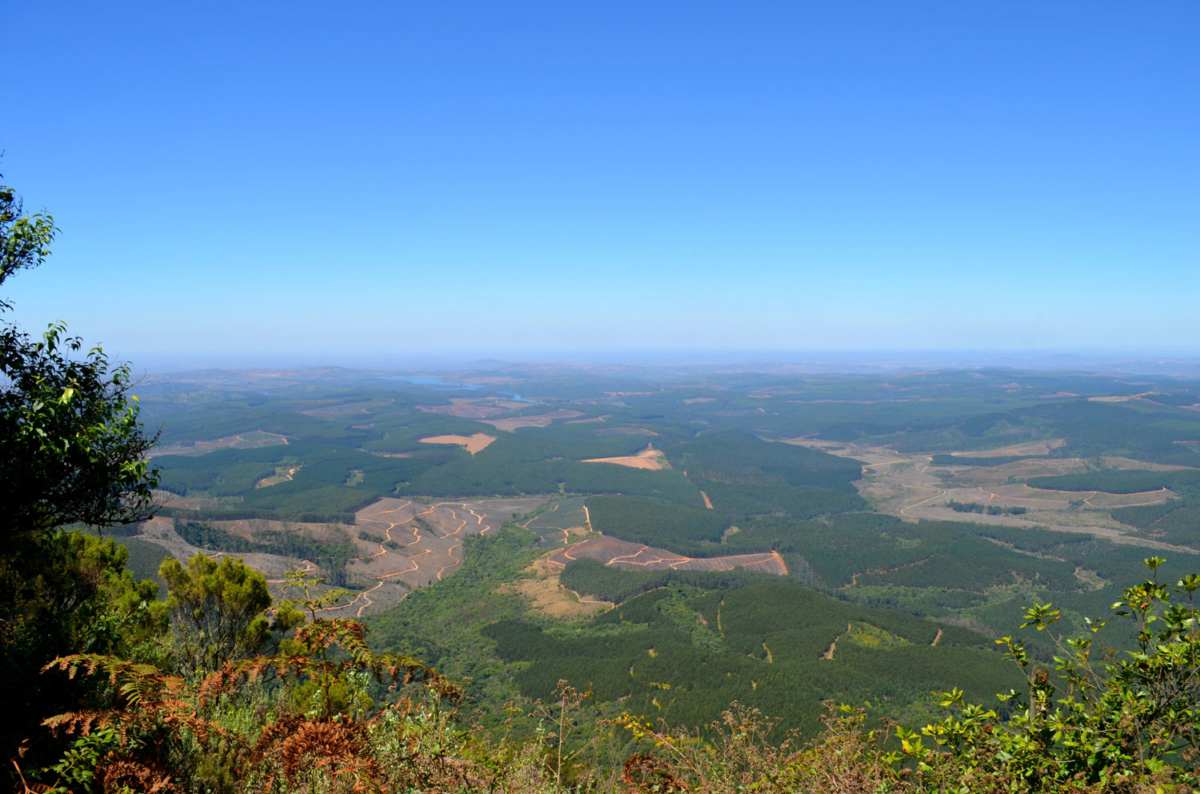
This remarkable bit of historical engineering is open to tourists today. The tunnel is 211 meters and you can walk from one end to the other. As you enter the tunnel you will be amazed by the stone masonry on the inside walls.
The further you go into the tunnel, the darker it becomes until the sunlight at the entrance is just a speck of light. As you approach the middle, the tunnel curves slightly, leaving you in complete darkness for a brief section before you then again see a small spark of sunlight from the other end. There is a hushed silence from everyone walking through the tunnel as you can almost sense the old steam trains moving through the tunnel, black smoke streaming out behind them.
On the western side of the mountain, you can see where they blasted away a piece of the rock in order to shorten the length of the tunnel. After your walk through the tunnel, you can stand on the viewing deck and be in awe not only of the majestic Elands Falls but also of those brave men who built this tunnel.
When on your way to stay at our Nelspruit accommodation, be sure to add this attraction to your trip.
Jul 20, 2019 | Nelspruit Lodge
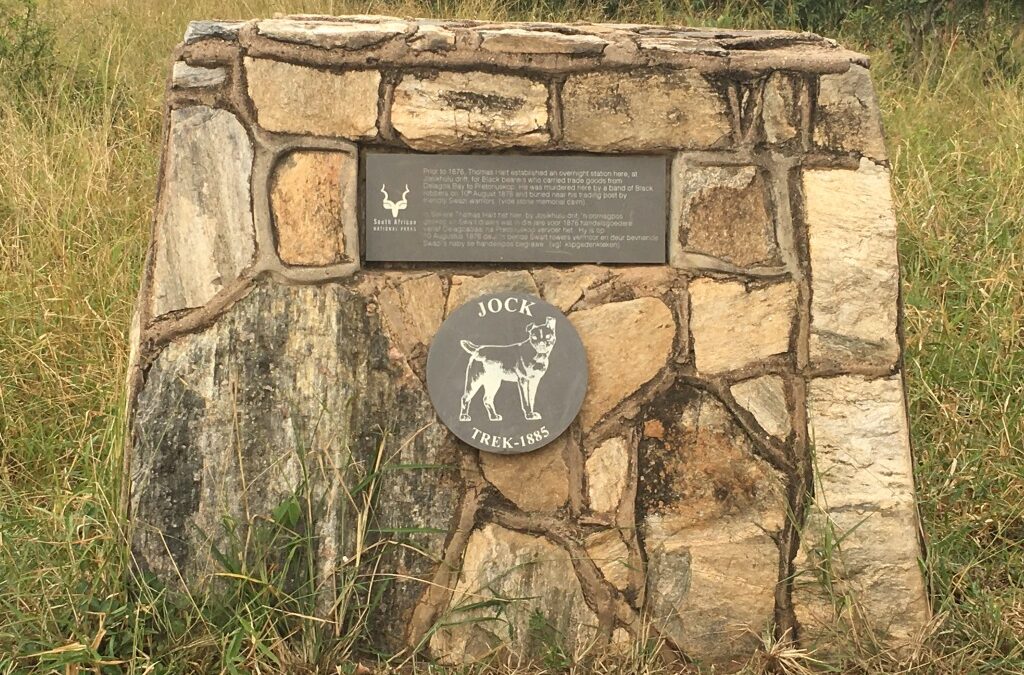
Read any of our local histories and you are bound to come across the name Percy Fitzpatrick and the story of his life. A transport rider made famous for his jounreys and his beloved companion, Fitzpatrick is a part of our legacy. His last trip was one of legendary status and a story you might enjoy.
A bit of background information to keep in mind is that transport riders of the day usually tried to get as many trips in before the rainy season came. They tried to avoid trips in the rainy season as the threat of malaria, tsetse flies and flooded rivers would often end in oxen getting sick and dying, the transport rider getting malaria, or even a wagon getting bogged down in mud or washed away in the flood.
Although it was a reckless decision, Percy Fitzpatrick was enticed by the good transport rates and decided to take one last trip.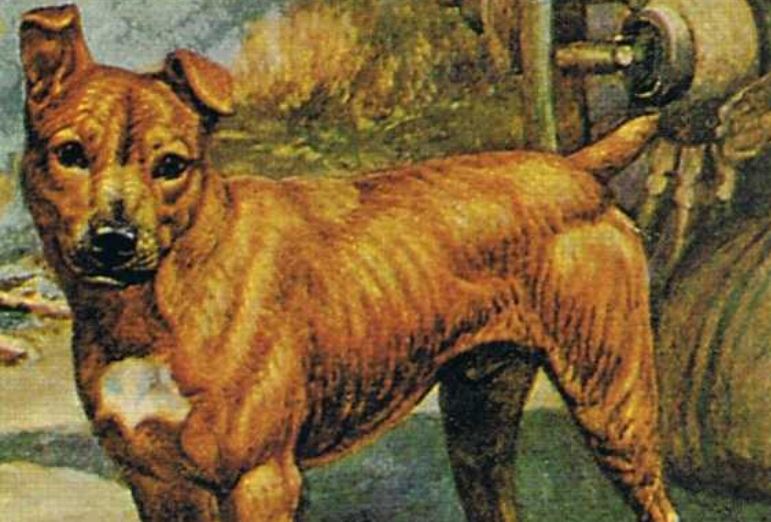
At the time a new road, Pettigrew Road, was just completed, which would make his trip considerably shorter and if he travelled through the “Fly Belt” at night he felt confident he would be fine. By the time they reached Low’s Creek, the cattle were tired and hungry and since the area had lush vegetation and water, he decided to rest the cattle and let them have their fill of water and food.
It was only much later that he noticed his cattle were swishing their tails and then he realised they were been bitten by the dreaded tsetse fly. Later that night he moved them to higher ground and quickly onto Delagoa Bay.
Here the rains had not come and it was extremely hard going through the dusty land which covered man and beast in suffocating dust. Because it was late in the season and no rain had fallen, every creek or usual watering hole had become a muddy hole with no water. His fly bitten oxen were now getting weaker by the day and some of them had already died. Worn out and disheartened, Fitzpatrick pushed on with his quickly diminishing team.
One night, while outspanned, the rain came with vengeance, turning dry river beds into raging rivers and dusty roads into mud. Most of the oxen either died there or simply could not carry on, so he decided to load the goods from one of his four wagons onto the other three and push forward. After trying to get his oxen over a hill, he decided to cut his losses and leave one wagon there as his oxen were just too weak. Between the Kaap and Crocodile rivers, Fitzpatrick outspanned once more.
Now down to only twenty oxen, the following day he pushed them to cross a river that was chest high but by the afternoon there were thunderclouds building rapidly and so just before the rain pelted down they tied the remaining wagon to a large tree.
After a night of rain, they found the wagon still tied to the tree but now party underwater. There was nothing to do but wait for the water to subside enough to drag it out the river. With spent oxen and four more drifts to get through, they stumbled into Fig Tree Creek. Here he was forced to abandon another two of his wagons on the road.
Percy Fitzpatrick had taken a chance on this trip and lost. With only three oxen he limped into Barberton. Those three oxen died in the next few days and that was truly his last drive as a transport rider.
Learn more about Nelspruit’s fascinating history when you visit Nelspruit Lodge. We have a number of gorgeous rooms available for holiday makers and business people alike. Contact us today to book a room.
Jul 13, 2019 | Nelspruit Lodge
When we look at Mbombela today, it is a bustling town with huge shopping malls and even bigger farms that produce some of the best fruit in the country. Our town is a tourist destination of choice thanks to its moderate climate throughout the year, great places to stay and wonderful things to see.
But back in the 1800’s it was very different.
There were no roads and no shops. Back then most people that were farming in the area had to rely on traders who would bravely hitched up their oxen and take off into the unknown with their heavily laden wagons.
Often most of these traders died of malaria and the oxen from sleeping sickness before they reached their destination. Tsetse fly was another hindrance along the way and often traders would travel at night through tsetse fly infested areas as the flies were less active at night. Then they still had to fight through thick bush, over huge mountains and struggle through deep rivers that would flood in the rainy season.
Most traders were men, but there was one trader, a woman, who became famous for her brave spirit.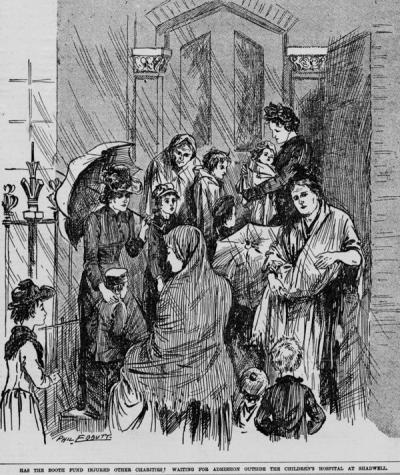
Sarah Maud Goff Heckford was born on the 30 June 1839 in Dublin, the daughter of a banker. As a child Sarah survived tuberculosis, and lived for the rest of her life with posture and gait problems as a direct result of the sickness. To make things worse both her parents and sister died when she was ten, and she was left in the care an aunt and uncle.
She married a doctor that she met while nursing in 1867, but that was short lived as he died in 1870 from tuberculosis. After working as a governess, when her hopes of becoming a farmer were dashed, she took her money and bought a cart and oxen and took to the bush as a trader.
She broke through the gender boundaries, which dominated the time, and made it as peddler/trader, serving both the Afrikaners and Africans that populated the land. Once on the road she would often have to clumber under her wagon when a sudden afternoon thunder shower would blow in from nowhere. Often the rivers would be in flood and she would have to make camp on the river banks while she waited for the rivers to subside enough for her to drive her oxen through. At times she would get to a mining community and there she would help by nursing some of the miners that were ill with malaria before moving on her way to the next stop.
In the late 1890’s when she was in her 60’s, Sarah left the road and went back to work as a governess. When the Second Boer War broke out this brave lady did work as a messenger for the English.
Before her death in 1903, Sarah Maud Heckford had served as a governess, been a doctor and a nurse, been both a farmer and a builder and made her fortune as a peddler in the remote bushveld. But that was not all she did, she also wrote and published books. In 1882 she wrote “A Lady Trader in the Transvaal”, “Excelsior” in 1884 and “The Story of the East London Hospital” in 1887.
Well ahead of her time, Sarah’s story is one that is little known but one that can inspire those living in this modern time.
Nelspruit has a fascinating history and those who visit our small town can easily find information about this history both before and during their visit. Book your stay at Nelspruit Lodge today and find out more about what makes our town the place that it is.

Apr 17, 2019 | Nelspruit Lodge, Uncategorized
In autumn you will find the Lowveld in bloom with colour. The many beautiful flowers will make your visit to this area abuzz with colour, and when staying at Nelspruit Lodge, you can spend your days in the gardens, enjoying the warm autumn air.
Our Nelspruit accommodation boasts a variety of beautiful flowers and when travelling around town, you can see these flowers and so many more.
- Kudu Lily

This succulent shrub will delight in autumn with its stunning white flowers that appear between the lush green leaves among the spines on the branches. Apart from its sheer beauty, this flower is toxic to humans and livestock. The Kudu Lily is a very slow growing plant and does not adapt readily to new environments making it almost extinct in certain areas.
- Wild Dagga (Lion’s Tail)
Wild Dagga flowers in Autumn and is a true delight as the sunbirds love their nectar. The shrub itself is sparse with 4 angled stems. The leaves of this shrub are hairy and grow in pairs. The flowers, however, are dense and about the size of a golf ball consisting of the tube-like orange flowers. Although the leaves of the Wild Dagga are smoked, they are not a substitute for Dagga. The plant is said to have medicinal qualities and traditionally used as a cure for pain, colds or flu. Certain properties of the plant are said to aid with Type 2 Diabetes, epilepsy or constipation.
- Bougainvillaea
These bushes of colour can be found in just about every garden in the Lowveld. When in bloom this is a truly spectacular spray of flowers. Bougainvillaea comes in a variety of colours, Pink, White, Magenta, Red, Orange or Yellow. These bushes need little water once established and fairly easy to grow. Many people bonsai them from tip cuttings.
- Pride of De Kaap
The main flowering time of the Pride of De Kaap is March and April when they come alive with a flower that ranges in colour from salmon to orange and yellow to white. The petals are oar-shaped and a length of 4cm. When looking at the name you would think it belongs in the Cape but in actual fact, the name comes from the De Kaap Valley in the Barberton area of Mpumalanga. These plants enjoy the bushveld climate.
- Red Hot Poker
Red hot pokers can be seen in bloom late summer to autumn. These flowers have stems of up to 1.5 meters in height before the slender tube-like flower. The flower heads start off a dull red but change in colour to yellow or green-yellow when they open.
- Chrysanthemum
Chrysanthemum’s bloom in autumn and are one of the prettiest variety of autumn flowers in the Lowveld. A single bush can have multiple flower heads and they come in a variety of colours. These flowers like the sun and require about six hours of sun each day. Once established in your garden these plants are hardy. Remember to cut the dead flowers off and you will be rewarded with double the amount of flowers when it flowers again.
Nelspruit Lodge is situated in one of the most beautiful parts of town, and our gardens are filled with all kinds of plants. Book your Nelspruit accommodation today.

Apr 7, 2019 | Nelspruit Lodge
Autumn in the Lowveld lasts from about April to May and during these months the town experiences a more pleasant temperature than the summer months with nighttime temperatures of about 12 degrees and days a warm and breezy 25 degrees.
The autumn foliage of the Lowveld is truly delightful and you can experience it when staying at Nelspruit Lodge.
- Jacket Plum
Pappea Capensis, otherwise known as the Jacket Plum or Indaba tree, has fruit in autumn and the unusual characteristic about this fruit is that sometimes they are amber and other times red in colour. The reason for this is unknown but the fruit is a tasty treat for both humans, animals and birds.
This tree is easy growing in the Lowveld while it does grow slower in cooler climates and can reach a height of 8 meters when fully grown. Oil is extracted from the roasted seeds, and the oil is used for oiling rifles or as a cure for ringworm while it can also be used for making soap. The leaves, bark and oil are also said to cure baldness, nosebleeds, eye infections or chest complaints.
- Toad Tree
The Toad Tree, or Tabernaemontana Eleganshas, has twin-lobed fruits with warty skins much like a toad. This tree grows easily to a height of 12 meters, so if you thinking of planting this tree in your garden make sure you give it enough space to grow. The fruit from this tree can be eaten. Once the fruit is ready for eating the pod breaks open to reveal a yellow pulp.
Zulu people add the pulp to milk. Traditional Healers have used various concoctions to treat patients. The milky sap from this tree is used as a styptic while root infusions can be used for chest ailments and stomach ache. The root is said to cure tuberculosis. As a cancer treatment the inner layer of the fruit wall is dried, pulverised and boiled. The water is then filtered and taken orally.
- Kiaat
Kiaat, also known as Bloodwood or Pterocarpus Angolensis, can be recognised in the autumn months by their broad pods. Under the right conditions, this tree can grow up to 18 meters tall with dark brown bark and sports a wide crowned canopy of leaves.
This tree can only be grown in warm to hot, frost-free areas. The seeds of this tree are not eaten by humans but are eaten by squirrels, baboons and monkeys despite the pods having sharp bristles on them. When you cut this tree down it has a red sap much like blood. This sap was used traditionally as a dye or mixed with animal fat to make cosmetics. The sap is said to cure problems concerning the blood mainly because of its resemblance to blood.
Book your stay at Nelspruit Lodge and explore a city close to nature. Browse our website to view our Nelspruit accommodation options.

Jan 15, 2019 | Nelspruit Lodge
The name Lydenburg means “Place of Suffering” and was so named by the Voortrekkers in the early 1800s, those who were fleeing the heat and malaria prevalent in the lower lying areas. Although Lydenburg was a cooler and much healthier area to live in, the settlers in the area had to fight many battles with the local Bapedi tribe who at that time lived in the region.
Lydenburg has a long and interesting history. And being quite close to Nelspruit, you can spend the day exploring when you are staying at our Nelspruit accommodation. Here are some facts you should know about the town of Lydenburg:
- The pass that connects Sabie to Lydenburg is named “Long Tom Pass’. After the final Anglo Boer War battle that took place on the slopes of Mauchsberg, between Lydenburg and Sabie, the pass was given its name. At Devil’s Knuckles, near the summit of the pass, stands a replica of the Long Tom Cannon, a silent reminder as to how the pass got its name.
- Established in 1972, the Lydenburg Museum is a place for the history lover. The museum is situated on the pass at the entrance to the Gustav Klingbeil Nature Reserve. Although it is a small museum, it is said to be one of the best museums in the Mpumalanga. The museum is filled with archaeological and cultural history. The best know history in the museum has got to be the Lydenburg Heads. These replica 7 heads (the real heads are kept in the National Museum in Cape Town) are believed to date back to the Iron Age, around 490AD. Ludwig Von Bezing, a 10 year old child that was playing on his father’s farm, made the discovery of the intricately carved ceramic heads in 1957. Cultural items from the settlers as well as from the Pedi and Ndebele people that occupied the area at the time are also included among the artefacts in the museum. Beautifully recreated and displayed outside the museum is old farming equipment as well as an ox wagon. Long Tom Cannons from the Anglo Boer War, as well as other military history and early gold mining exhibits can also be viewed.
- Another interesting display in the Lydenburg Museum in the distillery. Here one can sample the traditional Afrikaaner brew known as mampoer.
- If you would like to take a step back in time, a visit or stay over at the De Ark Guest House is a must. Built more than 150 years ago, the De Ark House is the oldest and most prominent building in Lydenburg. Although the original house was built in 1857, it was converted to a double storey building in 1893.
- Today you can choose from bed and breakfast or self-catering rooms and the De Ark Guesthouse is able to accommodate 28 people sharing. Each room has a theme, so you can stay “In the Library” or “On the Green”, in the “Gothic” or in the “Louis XV1” room. There is a Victorian Style Tea garden with rose thickets and a breakfast/dining room fit for royalty. De Ark Guesthouse caters for weddings, with the garden gazebo being transformed into a romantic chapel, with beautifully landscaped gardens and fragrant roses making it the best place for your special day.
Nelspruit Lodge offers the best accommodation in Nelspruit, at the most affordable prices. Contact us today to book your stay!

Recent Comments