Mar 31, 2021 | Nelspruit Accommodation, Things to in and around Nelspruit
In general, there are no “good” or “bad” countries because crime exists everywhere; however, a few basic measures will improve your safety and make your trip more enjoyable.
Learn the language:
If you plan to spend more time in a specific area, learning the language is highly recommended – not only will it enrich your travel experience, but it will also assist you when you encounter difficulties.
Be informed about your destination:
In large cities, you should be aware of which places are safe for visitors and which are unsafe. As a citizen of Europe or North America, you can easily recognize yourself in Africa, Asia, or South America – in urban areas, the rich and poor coexist, so you should study which areas are safe to stay in before booking your accommodations.
If you’re staying at a hotel, hostel, or apartment, speak with the front desk because they know the city better than you do and will give you advice about where to go.
Keep an eye on your belongings:
Keep an eye on all your belongings, particularly when in transfer mode (traveling from one location to another with all your luggage). If you’re traveling with a backpack, you can use a rain-cover to protect yourself from pickpocketing.
Pickpockets frequent large stations, airports, and other congested areas, so you should never leave your luggage unattended.
Know the phone number to block your cards:
If you are robbed or find that your card has been misused, contact your credit card company right away to get your card blocked. This phone number is usually printed on the back of your wallet, so make a separate note of it.
Be aware of scams:
There are several different forms of scams all over the world, so you should familiarize yourself with the most common scams in your destination so you can avoid being pick pocketed.
The mustard scam is a popular one: your shirt/jacket gets sprayed with mustard, and then some helpful guys appear and offer to clean it for you – when cleaning your shirt, they steal your valuables.
Travel light
The less you bring, the less likely you are to get lost. If you travel often through congested areas, having just a small bag/backpack to manage and your hands free is a huge benefit – it’s much easier to keep track of your belongings on trains and buses.
Sometimes other travellers are dangerous:
You should be well informed and follow all of the advice and suggestions, but your fellow travelers’ actions can also get you into trouble. When you plan to fly with someone, make sure you both stick to the same safety principles.
If you get yourself into trouble, speak to your friend and let them know what’s going on; if they start acting dumb, you can break up with them.
Mar 31, 2021 | Nelspruit Accommodation, Things to in and around Nelspruit
With the Kruger National Park only an hour’s drive away from us. It is worth to book your accommodation at Nelspruit Lodge because we are in the middle of the most iconic attractions in and around Mbombela/Nelspruit.
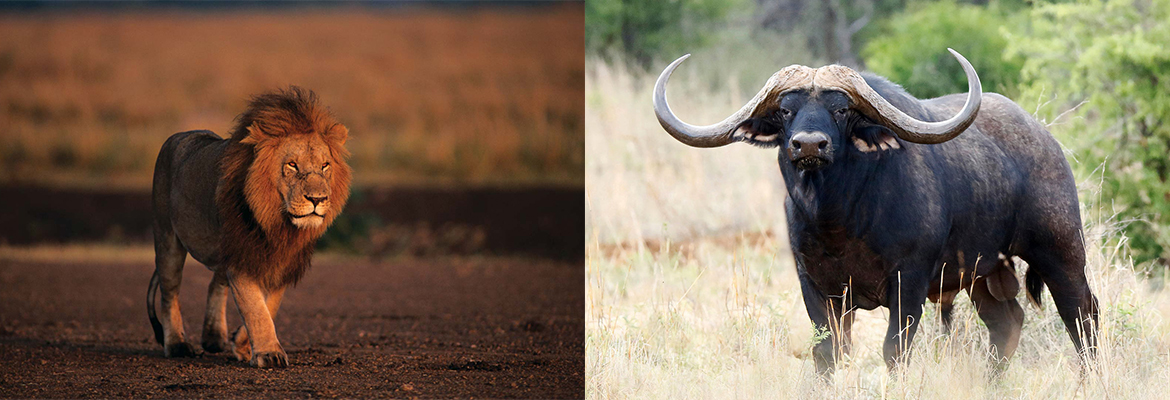
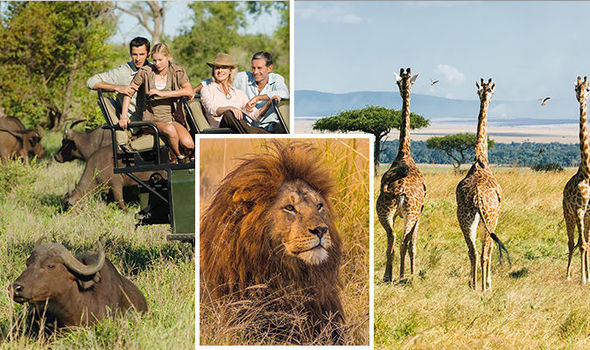
The big 5, you have already heard of them. On a safari, you think of nature, but who are these creatures? They search for the most dangerous and difficult African wildlife to encounter on any safari. The big 5 are rhinoceros, lions, elephants, leopards, and buffaloes. On a safari, spotting the big five has turned into a sport.
Rhino:
The black and white rhinos are also the two groups of rhinos found in Africa. The distinction seen between white and black rhinos is the white rhino’s broad lip as well as the black rhino’s curled lip. Even though there are more white rhinos than black rhinos, black rhinos are more difficult to locate. Another contributing factor is that black rhinos prefer to wander amongst bushes. Rhinos eat at night and relax throughout the day, making it much easier for rangers to spot them during safari excursions so that visitors can see the incredible animals up close.
Lion:
On game drives, lions are amongst the most favored animals. The lion is easily identifiable. After an evening of hunting, they are frequently found lying in the street. While hunting, lions have exceptional vision and can see in the pitch-black night. They live in groups called prides and require a lot of social interaction.
Elephant:
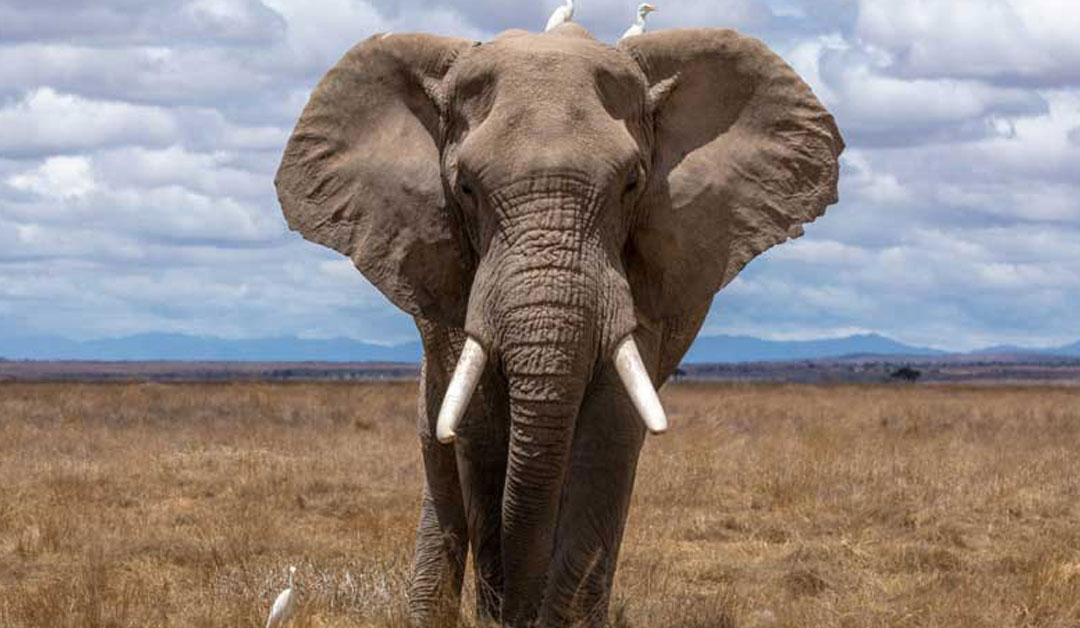
On game drives, the elephant is the first of the five animals to be seen. Elephants are abundant in Africa, not just because they are huge animals. Male elephants can often be seen wandering around alone, while female elephants prefer to stay together within large groups with their offspring. These social animals are really respectful to humans, despite the fact that they are still wild, and they deserve to be treated with the same respect.
Leopard:
They are mainly nocturnal animals and are one of Africa’s Big 5. They don’t like to interact with others and tend to be alone. They are fast and good swimmers. They have the ability to jump up to 6 meters and will normally carry their prey into trees where they will be safe from other predators. Leopards can run at speeds of up to 57 kilometers per hour.
For a litter of 1 to 6 kittens, the gestation period is 90 to 105 days. Cubs will suckle for up to three months and be secret for up to eight weeks. Leopards have the most vast territory of any big cat. This ability has enabled them to survive in a variety of environments. Leopards are carnivores and among the strongest ambush predators on the planet.
Buffalo:
Continent of Africa In comparison to their vision and hearing capacity, buffalo have an excellent sense of smell. Owing to the fact that Lions dislike getting wet, Buffalo can fly via water. As a defensive measure, the younger or weaker members of the herd will remain in the middle of the herd while driving. Buffalo are one of the African Big 5 because they are extremely violent when hurt.
Feb 26, 2021 | Nelspruit Accommodation, Things to in and around Nelspruit
Travelling for a long time on end can make you feel tired, and sometimes it is better just to take a short weekend away.
Enjoy your weekend away in Nelspruit by staying at Nelspruit Lodge.
Here are some of the benefits of taking a weekend away:
Travelling improves your health.
The health effects of flying are immense, from minimizing depression to decreasing your risk of contracting heart disease. You will remain at the office sitting on a chair the whole day long: it is certain to leave your body to feel happy, including any walking to your ride. Wandering abroad is also a treatment for depression and anxiety for certain individuals.
It is likely to have a huge effect on your mental health to travel more, particularly if you are not used to leaving your comfort zone. Trust me: fly more and it will make your doctor happier. They can prescribe some medicine to accompany you on your travels, particularly if you are going to regions of the globe with potentially dangerous diseases, so be sure to contact your doctor.
It allows you to escape your daily life.
We seem to get so wrapped up in our everyday lives that sometimes we can do ourselves more harm than good by just hanging around. Is your employer taking care of your life? Will children make you mad? Are your parents trying to get you to live the life that they want? How long do you think you’re going to be able to manage this strain until you burst, and it all falls apart?
It is sometimes better to take a step back, take a deep breath, and take your selfie from Tower Bridge. Travel is not a bad choice in all honesty – it is the most normal means of triggering the impression that you miss someone or that you are lacking. To stop making a mistake on your trip, the trick is to depart with a bit of planning.
Travelling also makes u more knowledgeable.
Each time you travel, become used to picking up new vocabulary in a foreign language and you can see changes in your brain capacity.
Travelling gives you more conversation topics.
I have no question that you are a conversationalist altogether. You are likely to be given much more publicity, including a few stories from abroad. A good way to shine in a social setting is often to say something that other individuals are not comfortable with or offer a fresh insight. There is no reason to write an entire travel article, just chat about what you’ve done and where you’ve been: people who are used to their normal lives are going to travel with your thoughts.
Who do you think people would like to listen to: the man who spent his holidays at home to do some gardening and reading the paper, or the guy who spent a week in Cuba operating an old American car, swimming with dolphins, and eating tasty spicy food?
I know what story I would like to read about…
Travelling creates unforgettable memories.
No matter how trivial it can appear, making a memory that you can remember for years is the fact that you have had an encounter abroad, something that was out of the norm. I assume that making such memories is why many people want to travel.
Feb 15, 2021 | Nelspruit Accommodation, Things to in and around Nelspruit
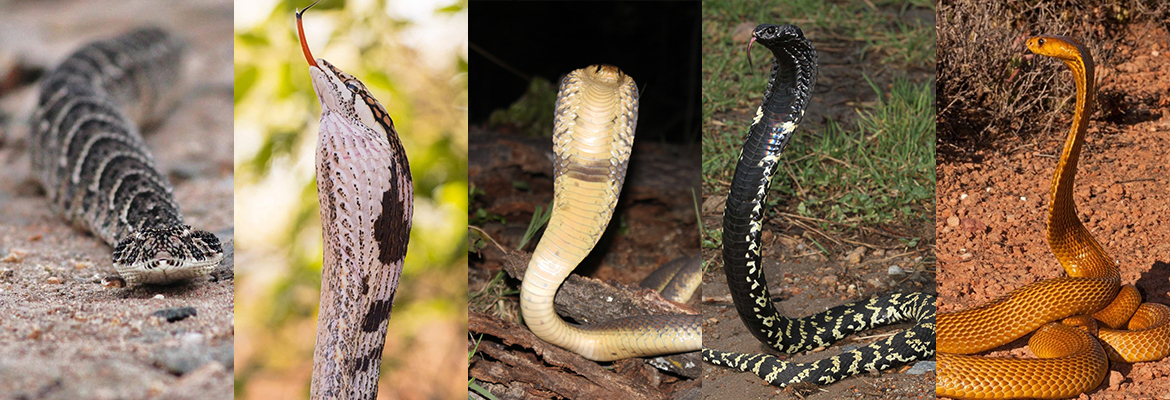
Venomous snakes are found all over the world. South Africa has a lot of beautiful snakes, but you must be careful not to pick up the wrong snakes. You can see these snakes in Nelspruit while you are staying at Nelspruit Lodge.
Here are some of the most venomous snakes in South Africa:
Black Mamba
The Black Mamba is an amazing snake, it has a very elongated body. The snack is not a black snake, the snake can be an olive-brown to gunmetal. It has a pale grey-green belly and sometimes have dark dots.
The Black Mamba has neurotoxic and cardiotoxic venom, this venom attacks your nerve system and reduces blood flow to your body.
Boomslang
The Boomslang has large and circular eyes and a unique head, the snake can be leaf-green all the way to rust-red.
The Boomslang has Hemotoxic venom, this venom prevents blood clotting. Bites are not quite common, but bites do happen when these snakes are being handled.
Mozambique Spitting Cobra
The Mozambique Spitting Cobra is a thin snake that can average at about 1.2 meters in length. The snake’s colors range from light brown to a black color. They usually have black bars on their throats.
The Mozambique Spitting Cobra has cytotoxic venom, this venom destroys soft tissues and cells in your body. They can accurately spit their venom for up to 3 meters.
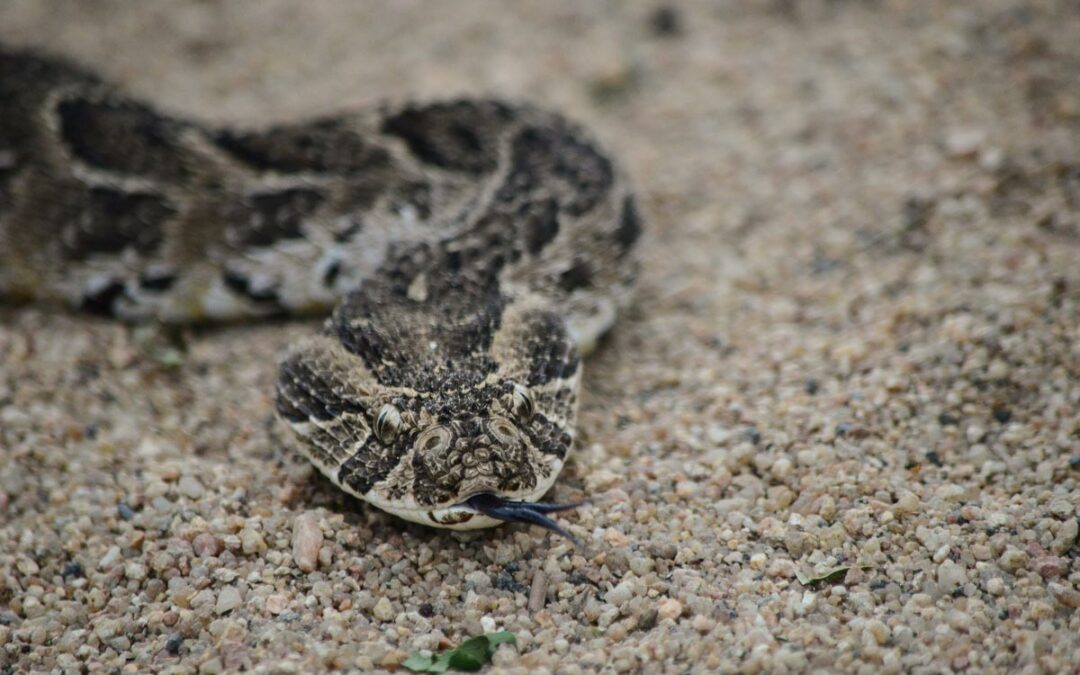
Puff Adder
The Puff Adder can reach up to 1.1 meters in length. It has rough scales that can vary in color from brown, black, and yellow. It can camouflage very well in piles of leaves because of its scale colors. The snake is responsible for more bites than any other snake, the reason behind this is because the snake is very adaptable and can easily live in a wider range of habitats. Bites usually occur when people step on these snakes, it is not a fast-moving snake but it has an incredible fast striking speed.
The Puff Adder has a cytotoxic venom, this venom destroys soft tissues and cells in your body.
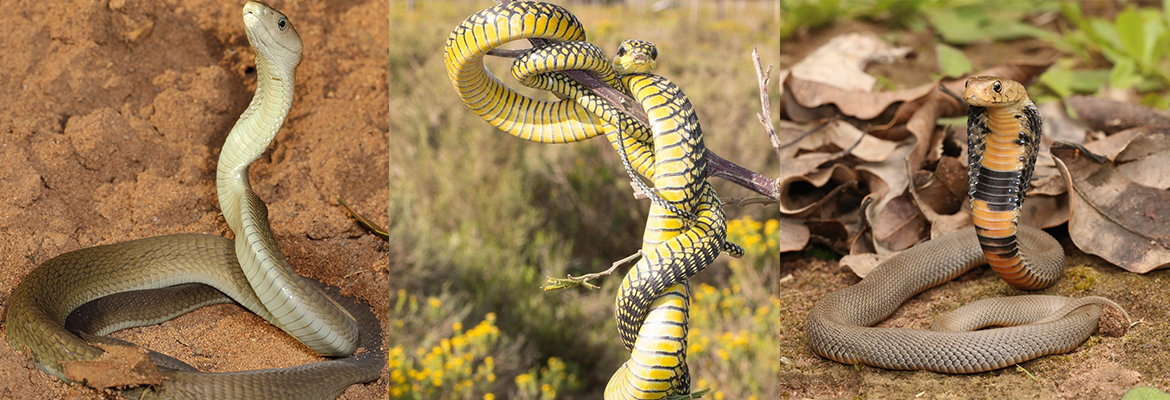
Vine Snake (Twig Snake)
The Vine Snake is a thin but long snake with a small head, they have keyhole shaped pupils. The snake usually lays perfectly still in a tree and its camouflage makes it blend in and look like a twig. That is why they are referred to as a twig snake. There is no anti-venom for the vine snake because these snakes do not want to waste its venom on humans. They don’t have a lot of venom so if they bite people, they will not be able to eat for a few days.
The Vine Snake has hemotoxic venom, this venom prevents blood clotting. Bites usually occur when snake handlers are releasing these snakes back into the wild.
Egyptian Cobra
The Egyptian Cobra can vary in color from a light brown to a dark brown, they can also be dark yellow, black, or gray. They usually have black rings around their necks. They average in length between 1 and 2.5 meters.
The Egyptian Cobra has neurotoxic venom, this venom attacks your nerve system, and it reduces brain activity.
Rinkhals
The Rinkhals usually has a dark belly with brown or cream color spots or rings on their body. They can be found through out the Easter Cape, Southern Cape, parts of KwaZulu-Natal and the Free State. These snakes are spitting snakes, incase you encounter these snakes, make sure you protect your eyes. If venom is not washed out thoroughly with water, it can lead to permanent eye damage.
The Rinkhals has a cytotoxic venom, this venom destroys soft tissues and cells in your body.
Cape Cobra
The Cape Cobra varies in color starting at black, light to dark brown, yellow, beige or speckled. Baby Cape Cobras has a dark bank around their throat. This snake is quick to stand its ground by hooding up and is ready to strike at any moment.
The Cape Cobra has neurotoxic venom, this venom attacks your nerve systems, and it reduces brain activity. Bites from the Cape Cobra can also affect your breathing in less than half an hour after the victim has been bitten.
If you are bitten by any of these snakes, seek immediate medical attention.

Jan 26, 2021 | Nelspruit Accommodation, Things to in and around Nelspruit
January in Nelspruit
2020 saw many changes to the way that we live and navigate our way through life, and yet in many ways life in Nelspruit is much the same as it has always been. Life in the Slowveld goes on and apart from the usual COVID restrictions and hand sanitisers on every corner, it is business as usual.
January in Nelspruit is considered the hottest month of the year. The day temperatures are soaring, and the humidity is high, bringing in the annual rainfall that this region so desperately needs. The days are longer than usual, with the sun rising before 5am and setting well after 7pm, giving Lowvelders and those visiting the opportunity to make the most of the great outdoors.
January is also a fantastic time of year to travel to the Lowveld for a holiday. With the 2020 festive season over and most of the holiday makers having gone back home, the attractions in the area are blissfully quiet. This makes January a great time of year to visit and if you have not yet had a break after the tough previous year, now is a good time to treat yourself.
Things to do in January
We don’t need to tell you that the country is back in a Level 3 lockdown which makes travelling a little more complicated than usual, but if you are able to leave home and travel to the Lowveld for a break, here are some of the things you should do.
Safari
Given the fact that the last year has all but destroyed the South African tourism sector, if you are in a position to travel to the area and embark on a Kruger Park safari or a safari at any one of the smaller, private reserves, now is the time. Not only are the usually busy parks now all but empty again, but now is also a good time to take advantage of the good prices. There are many great discounts currently running and regardless of whether you are going to have a self-drive safari or if you are keen on trying out a guided safari, you should now do it.
Going on safari will also be a great help to the struggling local market.
Historical Tours
The Lowveld is full of numerous historical towns many of which have been empty for most of 2020. If you are a keen historical buff, January is the perfect time to visit these small towns and to learn about what has made them so famous. The weather is also just perfect for a visit, as everything is green and glowing.
Do business
If you are on town on business, now is the best time to make new connections. The clean new start along with the fact that many businesses are getting back on their feet again and possibly looking to make new contacts, makes January a good time for business.
Nelspruit Lodge offers some of the best accommodation in Nelspruit and we are open for guests. Contact us today to make your booking.
Recent Comments