Dec 10, 2019 | Nelspruit Accommodation
Think you know everything about the town that thrives in a green mountain valley? Think again! Nelspruit is one of the fastest growing cities in South Africa, and the population who call the city home is on the rise. But it is not only the city that grows but also the number of tourists and business people, like you, who visit each year.
 Nelspruit is considered by many to be one of the most beautiful towns in the country and those who visit often fall in love with the scenery, the people, and the weather.
But before you come to the town and stay in our comfortable Nelspruit accommodation, read these fun facts:
- We’re an old town
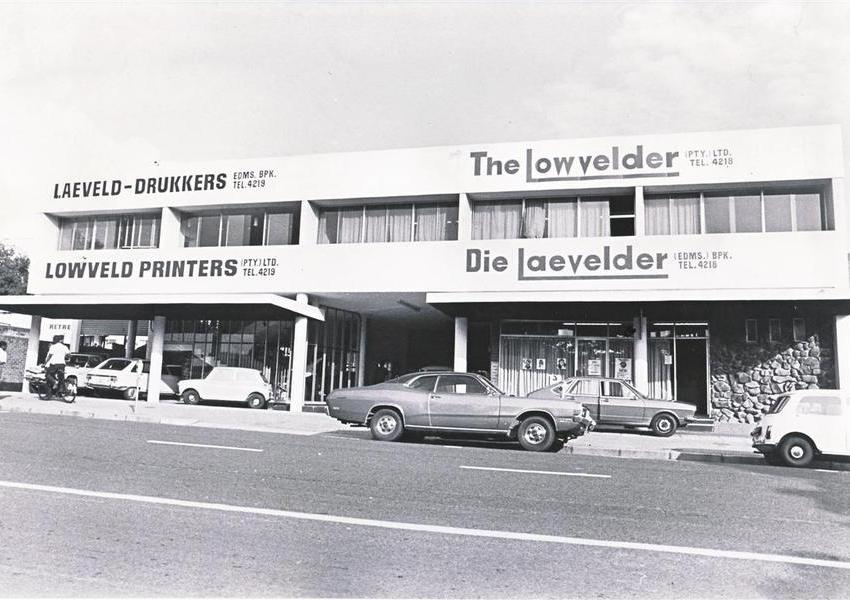
But we’re certainly not the oldest in the area. In fact, we also don’t have the most fascinating history. At one point, Barberton was the most important town in the area, and its growth was, and in some ways still is, driven by the mining industry which boomed when gold was discovered. At that time, Nelspruit was simply the town in which traveller’s restocked supplies while passing through the Lowveld.
- We have a vibrant night life
And no, we’re not talking about the music scene or the restaurants, we’re talking about insects. At night, the sounds of cicadas and crickets fill the air, flying ants take to the skies just as the sunsets, and annoying mosquitos will keep you awake if you don’t take the right safety precautions. The best way to unwind in the evenings is to sit outside in the breeze and just listen to all the sounds.
- We have interesting…drivers
When driving yourself around town, you need to drive for everyone, not just for yourself. Sadly, we have some drivers who seem to be colour blind, especially when the robots are red. It’s best to stick to the speed limits, wait a little before crossing an intersection (even if you have a green light), and in general, just keep an eye out!
- We have the best weather
Hot, humid summers perfect for being lazy by the pool or dam, impressive thunderstorms that light up the night sky and bring relief to the heat, mild winters with no frost or snow, and just about no in between seasons. This is what you can expect when visiting Nelspruit. We have plenty of sunny days and even when they get too hot, we’ll gladly take them.
- We stay true to our small town ways
Life is pretty laidback in Nelspruit, when compared to places like Johannesburg and Pretoria. We enjoy a slow vibe and although we have many places to go shopping, we have double the amount of exciting outdoor activities.
Jul 20, 2019 | Nelspruit Lodge
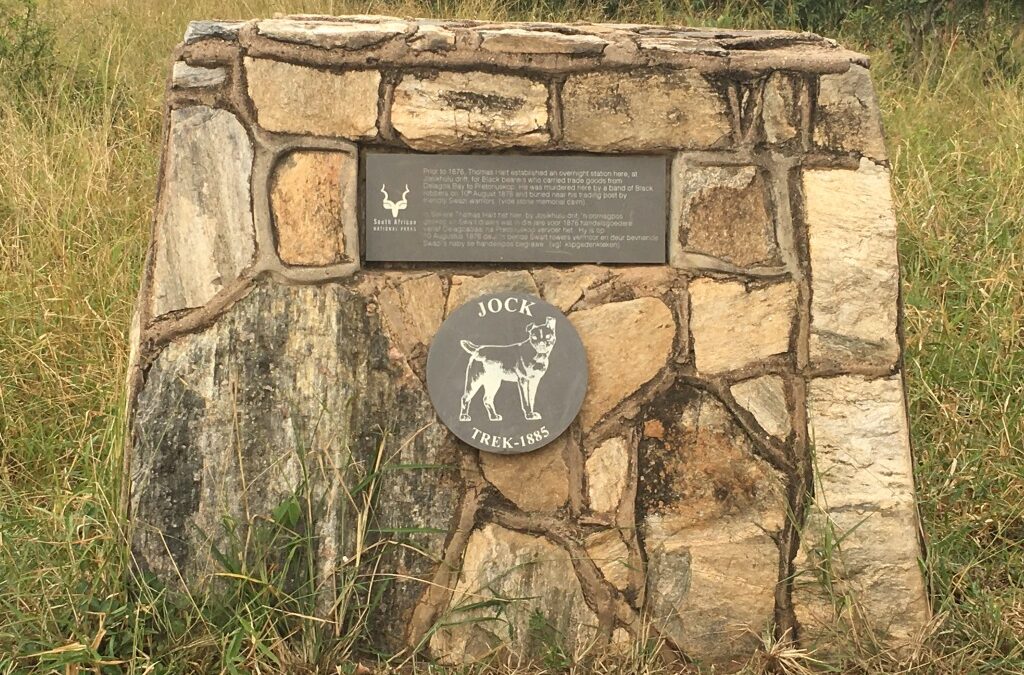
Read any of our local histories and you are bound to come across the name Percy Fitzpatrick and the story of his life. A transport rider made famous for his jounreys and his beloved companion, Fitzpatrick is a part of our legacy. His last trip was one of legendary status and a story you might enjoy.
A bit of background information to keep in mind is that transport riders of the day usually tried to get as many trips in before the rainy season came. They tried to avoid trips in the rainy season as the threat of malaria, tsetse flies and flooded rivers would often end in oxen getting sick and dying, the transport rider getting malaria, or even a wagon getting bogged down in mud or washed away in the flood.
Although it was a reckless decision, Percy Fitzpatrick was enticed by the good transport rates and decided to take one last trip.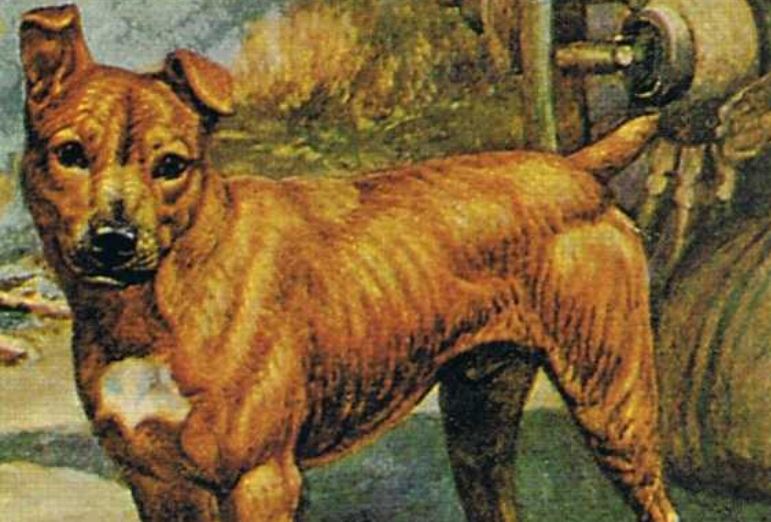
At the time a new road, Pettigrew Road, was just completed, which would make his trip considerably shorter and if he travelled through the “Fly Belt” at night he felt confident he would be fine. By the time they reached Low’s Creek, the cattle were tired and hungry and since the area had lush vegetation and water, he decided to rest the cattle and let them have their fill of water and food.
It was only much later that he noticed his cattle were swishing their tails and then he realised they were been bitten by the dreaded tsetse fly. Later that night he moved them to higher ground and quickly onto Delagoa Bay.
Here the rains had not come and it was extremely hard going through the dusty land which covered man and beast in suffocating dust. Because it was late in the season and no rain had fallen, every creek or usual watering hole had become a muddy hole with no water. His fly bitten oxen were now getting weaker by the day and some of them had already died. Worn out and disheartened, Fitzpatrick pushed on with his quickly diminishing team.
One night, while outspanned, the rain came with vengeance, turning dry river beds into raging rivers and dusty roads into mud. Most of the oxen either died there or simply could not carry on, so he decided to load the goods from one of his four wagons onto the other three and push forward. After trying to get his oxen over a hill, he decided to cut his losses and leave one wagon there as his oxen were just too weak. Between the Kaap and Crocodile rivers, Fitzpatrick outspanned once more.
Now down to only twenty oxen, the following day he pushed them to cross a river that was chest high but by the afternoon there were thunderclouds building rapidly and so just before the rain pelted down they tied the remaining wagon to a large tree.
After a night of rain, they found the wagon still tied to the tree but now party underwater. There was nothing to do but wait for the water to subside enough to drag it out the river. With spent oxen and four more drifts to get through, they stumbled into Fig Tree Creek. Here he was forced to abandon another two of his wagons on the road.
Percy Fitzpatrick had taken a chance on this trip and lost. With only three oxen he limped into Barberton. Those three oxen died in the next few days and that was truly his last drive as a transport rider.
Learn more about Nelspruit’s fascinating history when you visit Nelspruit Lodge. We have a number of gorgeous rooms available for holiday makers and business people alike. Contact us today to book a room.
Jul 13, 2019 | Nelspruit Lodge
When we look at Mbombela today, it is a bustling town with huge shopping malls and even bigger farms that produce some of the best fruit in the country. Our town is a tourist destination of choice thanks to its moderate climate throughout the year, great places to stay and wonderful things to see.
But back in the 1800’s it was very different.
There were no roads and no shops. Back then most people that were farming in the area had to rely on traders who would bravely hitched up their oxen and take off into the unknown with their heavily laden wagons.
Often most of these traders died of malaria and the oxen from sleeping sickness before they reached their destination. Tsetse fly was another hindrance along the way and often traders would travel at night through tsetse fly infested areas as the flies were less active at night. Then they still had to fight through thick bush, over huge mountains and struggle through deep rivers that would flood in the rainy season.
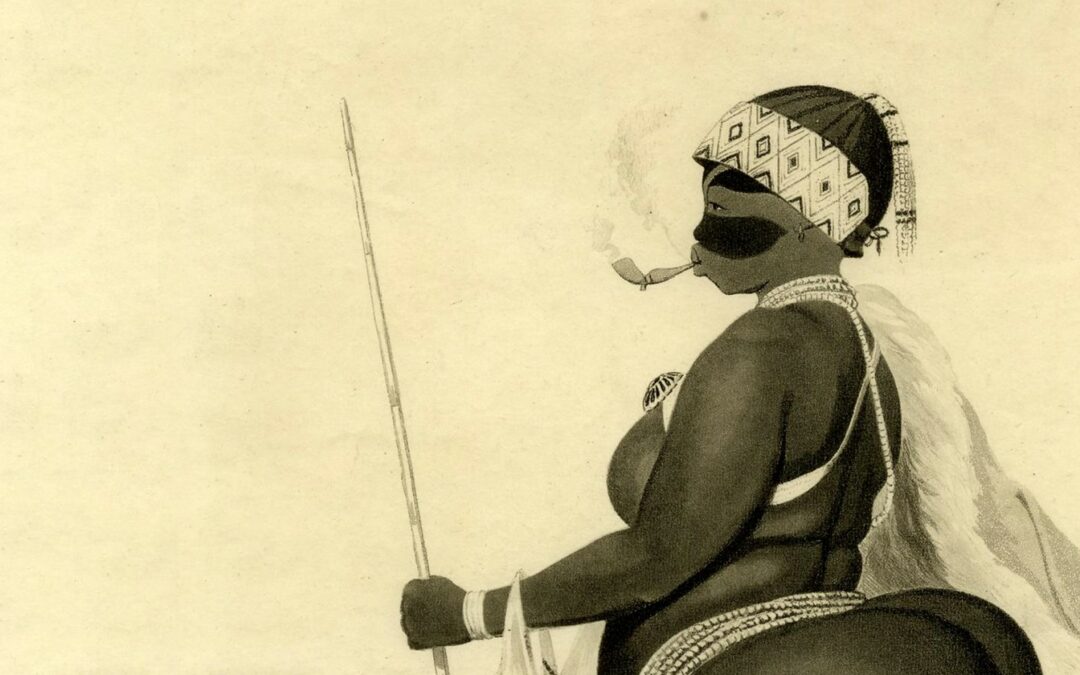
Most traders were men, but there was one trader, a woman, who became famous for her brave spirit.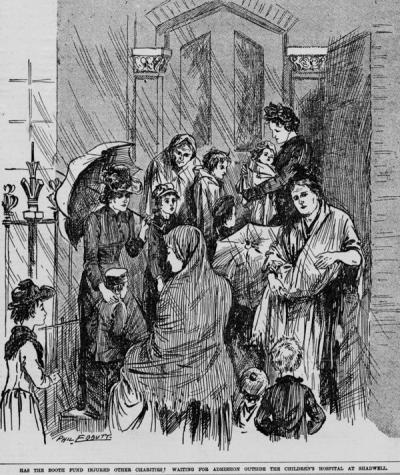
Sarah Maud Goff Heckford was born on the 30 June 1839 in Dublin, the daughter of a banker. As a child Sarah survived tuberculosis, and lived for the rest of her life with posture and gait problems as a direct result of the sickness. To make things worse both her parents and sister died when she was ten, and she was left in the care an aunt and uncle.
She married a doctor that she met while nursing in 1867, but that was short lived as he died in 1870 from tuberculosis. After working as a governess, when her hopes of becoming a farmer were dashed, she took her money and bought a cart and oxen and took to the bush as a trader.
She broke through the gender boundaries, which dominated the time, and made it as peddler/trader, serving both the Afrikaners and Africans that populated the land. Once on the road she would often have to clumber under her wagon when a sudden afternoon thunder shower would blow in from nowhere. Often the rivers would be in flood and she would have to make camp on the river banks while she waited for the rivers to subside enough for her to drive her oxen through. At times she would get to a mining community and there she would help by nursing some of the miners that were ill with malaria before moving on her way to the next stop.
In the late 1890’s when she was in her 60’s, Sarah left the road and went back to work as a governess. When the Second Boer War broke out this brave lady did work as a messenger for the English.
Before her death in 1903, Sarah Maud Heckford had served as a governess, been a doctor and a nurse, been both a farmer and a builder and made her fortune as a peddler in the remote bushveld. But that was not all she did, she also wrote and published books. In 1882 she wrote “A Lady Trader in the Transvaal”, “Excelsior” in 1884 and “The Story of the East London Hospital” in 1887.
Well ahead of her time, Sarah’s story is one that is little known but one that can inspire those living in this modern time.
Nelspruit has a fascinating history and those who visit our small town can easily find information about this history both before and during their visit. Book your stay at Nelspruit Lodge today and find out more about what makes our town the place that it is.
May 5, 2019 | Things to in and around Nelspruit
When staying at Nelspruit Lodge, there is so much to see and do in the area. A trip to the rock garden at Revolve Creek is one such adventure that you should do.
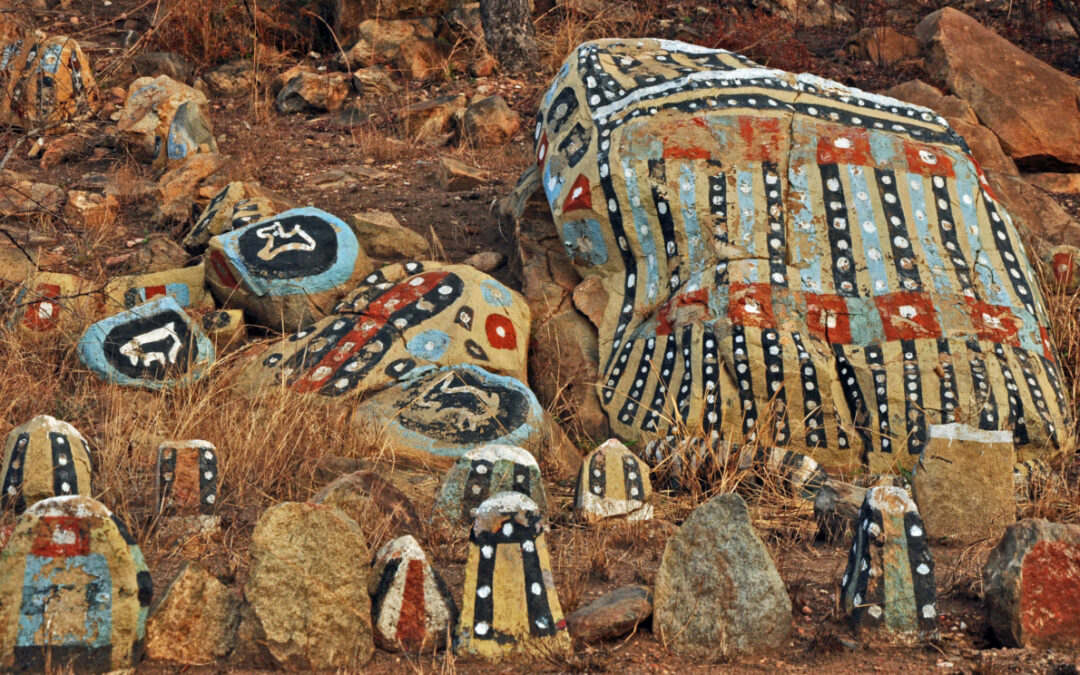
During the late 1960s travellers between Barberton and Kaapmuiden were astounded as they came across a sea of beautifully painted rocks. The owner of this stunning sight was Nukain Mabuza, a farm worker from one of the nearby farms. His origins are a mystery and while the people who knew him said he was a Shangaan or Swazi, it was unknown even to them from where he came.
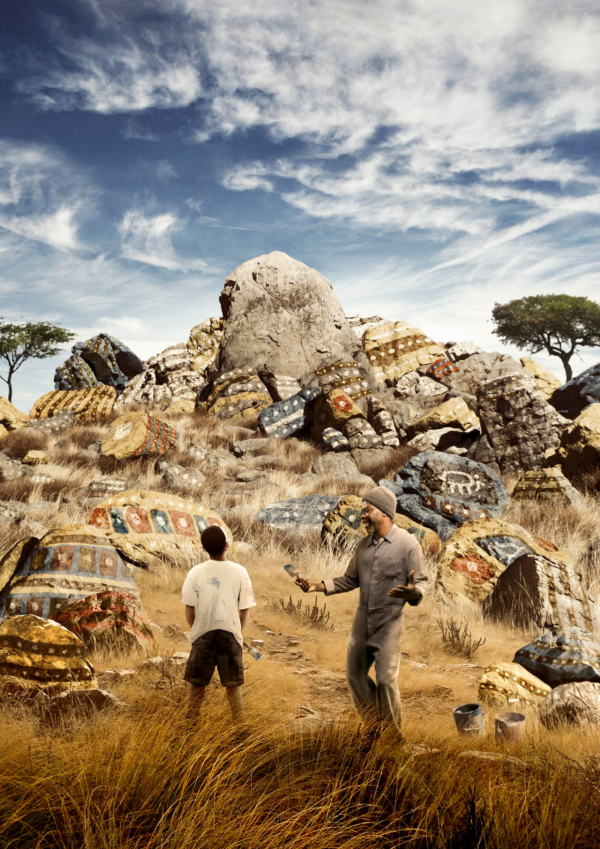 When Nukain was questioned as to why he painted the rocks, he replied that “his head told him too”. He strictly used yellow, black, white and red paint in his garden. He cleared the veld grass and any other vegetation in a triangular area on the slope and marked it off with small rocks. Like most peoples gardens, he had delineated paths. The area outside his rock garden was full of indigenous plants including aloes and wild dagga. While Mabuza painted all sorts of designs, he never once painted a flower on his rocks.
Over the years many people started to donate paint, but any other colours were used between the road and his fence, not in his garden. He painted mostly spots and stripes but there were also paintings of dogs, rabbits, elephant and birds among his art. This certain style he kept up for many years. He painted rocks and also large embedded boulders on the hillside that surrounded his humble hut. A distinctive boulder at the bottom of his garden was said to be his throne. From this “Throne” like boulder, Mabuza could sit and gaze up at his garden. Mabuza used to tell people his garden was the most beautiful garden in the universe. His hut too was painted in a similar fashion, inside and out. Many articles were written about his art and he kept these clippings on the inside walls of his home.
Two books were written about his life and work, “The Home Of Nukain Mabuza” and “The Painted Stone Garden of Nukain Mabuza”.
Nukain Mabuza’s rock art was a tourist attraction during his life but he was never recognised as an artist. Athol Fugard did, however, make a play about his life, “The Painted Rocks At Revolver Creek” and in 2015 the play enjoyed a highly acclaimed debut season in New York. The play was later done at the Fugard Theatre in Cape Town. Like any good story, there is a sad end to this one. Nukain Mabuza was an eccentric man in every aspect. One day in 1981, he dug a hole at the top of his painted mountain and buried himself alive.
His body was removed and today he lies in an unmarked grave in the Barberton Cemetary, identifiable only by a reference number. Like Mozart, his life and brilliance were only recognised after his death and both have ended in paupers graves.
Neglected and forgotten for thirty years, this spectacular garden has faded; it’s peeling and overgrown. Although there are only a few photographic records of the site, attempts to restore it are being made.
When staying at our Nelspruit accommodation, you can visit his rock garden and learn more about this mysterious artist.
Feb 8, 2019 | Things to in and around Nelspruit, Uncategorized
Not all who visit Nelspruit know exactly what our exciting little city has to offer or why it is firmly on the business map. For many years, Nelspruit was a small, mostly tourist focused town but in recent years, with the many new developments and city wide growth, we are more than the place in which people restock their vehicles when on the road to the Kruger or Mozambique.
Once you’ve planned your trip and booked your Nelspruit accommodation, you might find that there are a few blank spaces in your knowledge of the town that you’d quite like to fill. With this in mind, we have a list of a few of the frequently asked questions that you might find helpful.
- What is Nelspruit known for?

Today, the town of Nelspruit is a business hub in the Lowveld. Nelspruit is best known for being the capital of Mpumalanga. It has a rich and interesting history, while the town itself was founded in 1905, there is plenty of history that predates the buildings which sprung up to form the town we have. The town was named after the Nel Brothers who would bring their cattle to the area during the winter.
- How far is Pretoria from Nelspruit?
For those city slickers heading to our town on business, or for pleasure, knowing the distance will help with planning. Depending on traffic and weather conditions, it can take roughly 3 hours to drive the 319.15km from Pretoria to Nelspruit, if you are travelling at a speed of 110km/p.
- How old is Nelspruit?
The town is dated according to when the rail line from Lorenco Marques (Maputo) reached Nelspruit. It took roughly a year for the railway line to reach the town in 1892. This line went further on, connecting all of the small towns between Maputo and Pretoria, breathing new life into the area. So you can say that Nelspruit is well over 100 years old.
- How big is Nelspruit?
We refer to Nelspruit as a city, but when you can get to practically any area of the city within 15 minutes driving, it’s hardly right to call it a city. That being said, Nelspruit is about 72,63 square kilometres and each year that area grows.
- Does Nelspruit have an airport?
Nelspruit has two airports although the smaller one, the Nelspruit Airport, which once served as the only airport, is now used by hobby pilots and stores smaller aircrafts. The Kruger Mpumalanga International Airport, which is a 30 minute drive from the town was opened a few years ago. Flights to cities all throughout the country can be embarked on from this airport, while it also offers international flights to nearby countries.
Nelspruit Lodge is one of the best Nelspruit hotels to book your stay in. You can enquire or make your booking online.

Recent Comments