Jul 13, 2019 | Nelspruit Lodge
When we look at Mbombela today, it is a bustling town with huge shopping malls and even bigger farms that produce some of the best fruit in the country. Our town is a tourist destination of choice thanks to its moderate climate throughout the year, great places to stay and wonderful things to see.
But back in the 1800’s it was very different.
There were no roads and no shops. Back then most people that were farming in the area had to rely on traders who would bravely hitched up their oxen and take off into the unknown with their heavily laden wagons.
Often most of these traders died of malaria and the oxen from sleeping sickness before they reached their destination. Tsetse fly was another hindrance along the way and often traders would travel at night through tsetse fly infested areas as the flies were less active at night. Then they still had to fight through thick bush, over huge mountains and struggle through deep rivers that would flood in the rainy season.
Most traders were men, but there was one trader, a woman, who became famous for her brave spirit.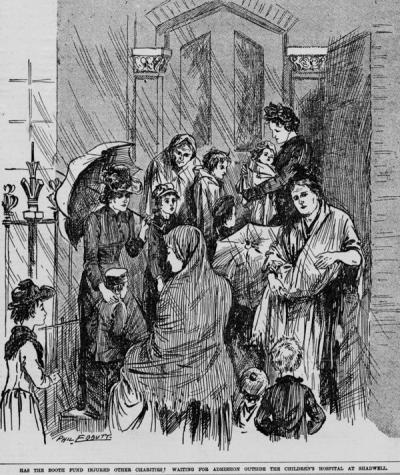
Sarah Maud Goff Heckford was born on the 30 June 1839 in Dublin, the daughter of a banker. As a child Sarah survived tuberculosis, and lived for the rest of her life with posture and gait problems as a direct result of the sickness. To make things worse both her parents and sister died when she was ten, and she was left in the care an aunt and uncle.
She married a doctor that she met while nursing in 1867, but that was short lived as he died in 1870 from tuberculosis. After working as a governess, when her hopes of becoming a farmer were dashed, she took her money and bought a cart and oxen and took to the bush as a trader.
She broke through the gender boundaries, which dominated the time, and made it as peddler/trader, serving both the Afrikaners and Africans that populated the land. Once on the road she would often have to clumber under her wagon when a sudden afternoon thunder shower would blow in from nowhere. Often the rivers would be in flood and she would have to make camp on the river banks while she waited for the rivers to subside enough for her to drive her oxen through. At times she would get to a mining community and there she would help by nursing some of the miners that were ill with malaria before moving on her way to the next stop.
In the late 1890’s when she was in her 60’s, Sarah left the road and went back to work as a governess. When the Second Boer War broke out this brave lady did work as a messenger for the English.
Before her death in 1903, Sarah Maud Heckford had served as a governess, been a doctor and a nurse, been both a farmer and a builder and made her fortune as a peddler in the remote bushveld. But that was not all she did, she also wrote and published books. In 1882 she wrote “A Lady Trader in the Transvaal”, “Excelsior” in 1884 and “The Story of the East London Hospital” in 1887.
Well ahead of her time, Sarah’s story is one that is little known but one that can inspire those living in this modern time.
Nelspruit has a fascinating history and those who visit our small town can easily find information about this history both before and during their visit. Book your stay at Nelspruit Lodge today and find out more about what makes our town the place that it is.

Apr 17, 2019 | Nelspruit Lodge, Uncategorized
In autumn you will find the Lowveld in bloom with colour. The many beautiful flowers will make your visit to this area abuzz with colour, and when staying at Nelspruit Lodge, you can spend your days in the gardens, enjoying the warm autumn air.
Our Nelspruit accommodation boasts a variety of beautiful flowers and when travelling around town, you can see these flowers and so many more.
- Kudu Lily

This succulent shrub will delight in autumn with its stunning white flowers that appear between the lush green leaves among the spines on the branches. Apart from its sheer beauty, this flower is toxic to humans and livestock. The Kudu Lily is a very slow growing plant and does not adapt readily to new environments making it almost extinct in certain areas.
- Wild Dagga (Lion’s Tail)
Wild Dagga flowers in Autumn and is a true delight as the sunbirds love their nectar. The shrub itself is sparse with 4 angled stems. The leaves of this shrub are hairy and grow in pairs. The flowers, however, are dense and about the size of a golf ball consisting of the tube-like orange flowers. Although the leaves of the Wild Dagga are smoked, they are not a substitute for Dagga. The plant is said to have medicinal qualities and traditionally used as a cure for pain, colds or flu. Certain properties of the plant are said to aid with Type 2 Diabetes, epilepsy or constipation.
- Bougainvillaea
These bushes of colour can be found in just about every garden in the Lowveld. When in bloom this is a truly spectacular spray of flowers. Bougainvillaea comes in a variety of colours, Pink, White, Magenta, Red, Orange or Yellow. These bushes need little water once established and fairly easy to grow. Many people bonsai them from tip cuttings.
- Pride of De Kaap
The main flowering time of the Pride of De Kaap is March and April when they come alive with a flower that ranges in colour from salmon to orange and yellow to white. The petals are oar-shaped and a length of 4cm. When looking at the name you would think it belongs in the Cape but in actual fact, the name comes from the De Kaap Valley in the Barberton area of Mpumalanga. These plants enjoy the bushveld climate.
- Red Hot Poker
Red hot pokers can be seen in bloom late summer to autumn. These flowers have stems of up to 1.5 meters in height before the slender tube-like flower. The flower heads start off a dull red but change in colour to yellow or green-yellow when they open.
- Chrysanthemum
Chrysanthemum’s bloom in autumn and are one of the prettiest variety of autumn flowers in the Lowveld. A single bush can have multiple flower heads and they come in a variety of colours. These flowers like the sun and require about six hours of sun each day. Once established in your garden these plants are hardy. Remember to cut the dead flowers off and you will be rewarded with double the amount of flowers when it flowers again.
Nelspruit Lodge is situated in one of the most beautiful parts of town, and our gardens are filled with all kinds of plants. Book your Nelspruit accommodation today.

Apr 7, 2019 | Nelspruit Lodge
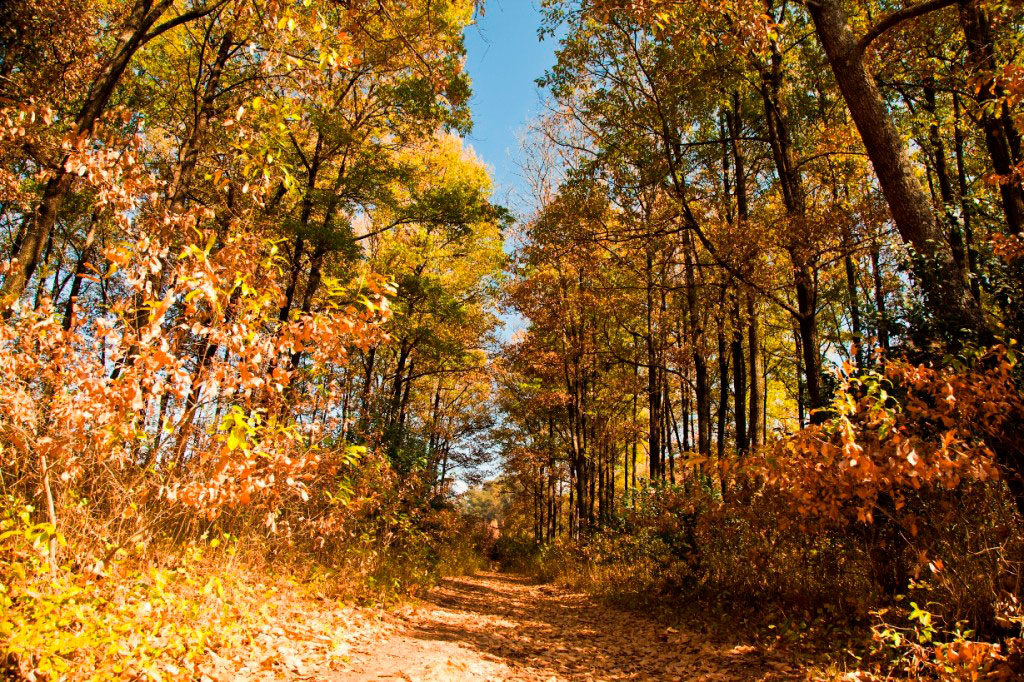
Autumn in the Lowveld lasts from about April to May and during these months the town experiences a more pleasant temperature than the summer months with nighttime temperatures of about 12 degrees and days a warm and breezy 25 degrees.
The autumn foliage of the Lowveld is truly delightful and you can experience it when staying at Nelspruit Lodge.
- Jacket Plum
Pappea Capensis, otherwise known as the Jacket Plum or Indaba tree, has fruit in autumn and the unusual characteristic about this fruit is that sometimes they are amber and other times red in colour. The reason for this is unknown but the fruit is a tasty treat for both humans, animals and birds.
This tree is easy growing in the Lowveld while it does grow slower in cooler climates and can reach a height of 8 meters when fully grown. Oil is extracted from the roasted seeds, and the oil is used for oiling rifles or as a cure for ringworm while it can also be used for making soap. The leaves, bark and oil are also said to cure baldness, nosebleeds, eye infections or chest complaints.
- Toad Tree
The Toad Tree, or Tabernaemontana Eleganshas, has twin-lobed fruits with warty skins much like a toad. This tree grows easily to a height of 12 meters, so if you thinking of planting this tree in your garden make sure you give it enough space to grow. The fruit from this tree can be eaten. Once the fruit is ready for eating the pod breaks open to reveal a yellow pulp.
Zulu people add the pulp to milk. Traditional Healers have used various concoctions to treat patients. The milky sap from this tree is used as a styptic while root infusions can be used for chest ailments and stomach ache. The root is said to cure tuberculosis. As a cancer treatment the inner layer of the fruit wall is dried, pulverised and boiled. The water is then filtered and taken orally.
- Kiaat
Kiaat, also known as Bloodwood or Pterocarpus Angolensis, can be recognised in the autumn months by their broad pods. Under the right conditions, this tree can grow up to 18 meters tall with dark brown bark and sports a wide crowned canopy of leaves.
This tree can only be grown in warm to hot, frost-free areas. The seeds of this tree are not eaten by humans but are eaten by squirrels, baboons and monkeys despite the pods having sharp bristles on them. When you cut this tree down it has a red sap much like blood. This sap was used traditionally as a dye or mixed with animal fat to make cosmetics. The sap is said to cure problems concerning the blood mainly because of its resemblance to blood.
Book your stay at Nelspruit Lodge and explore a city close to nature. Browse our website to view our Nelspruit accommodation options.
Feb 10, 2019 | Things to in and around Nelspruit
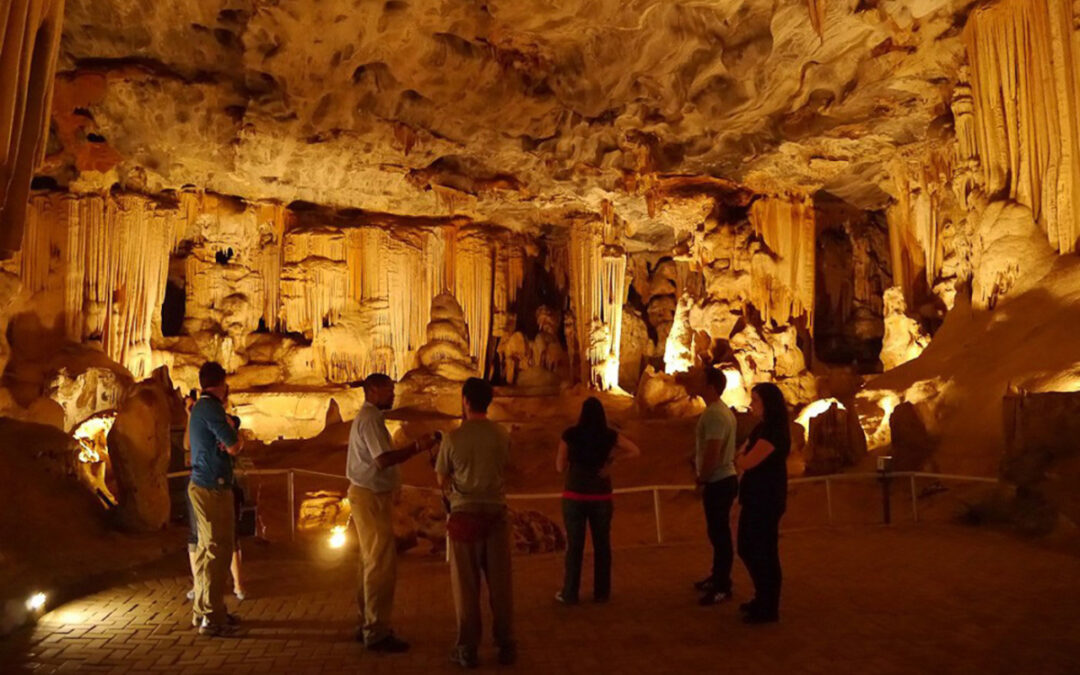
Nelspruit and its natural surrounding areas are filled to the brim with natural attractions of all kinds. When staying at our Nelspruit accommodation, guests are in the perfect place from which to explore mountains, hiking trails, dams and caves.
If caving is your thing, a day trip on the Panorama Route will bring you to the famous Echo Caves. This National Monument can be found in the Molopong valley which is situated near Ohrigstad.
The Echo caves were discovered in the 1920’s, by the owner of the farm Klipfontein, while he was searching for water in the area. After searching the land in and around his farm extensively, he came upon the caves and saw that his cattle had already found the caves and the water source. The caves are among some of the oldest of their type in the world and are now a Historical Monument.
The best, and safest, way to explore the caves are by signing up for a guided day trip. Of all the limestone caves, the Echo caves are not that well known, so a visit there is rather a personal affair, sometimes making it just you and the guide on the tour.
Early History and Cave Features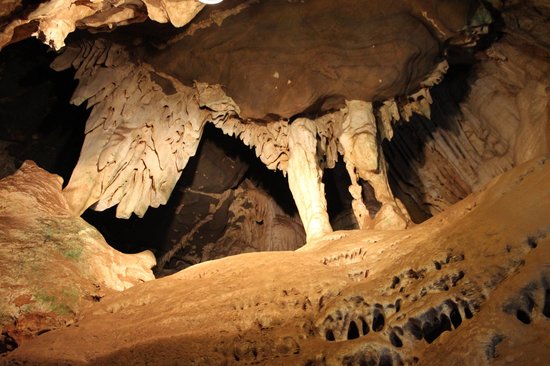
The Echo Caves have been a shelter for humans since the Middle Stone Age. San rock engravings can still be viewed within the caves and can be seen alongside beautiful, ancient rock formations which have taken centauries to form.
The caves were given their name by the local people who used to use the stalactites as a drum which served as an early warning system when Swazi tribes were approaching. The caves are about 40km in depth, and the sound from drumming on the stalactites can be heard throughout the caves. The caves have an eerily feel when the stalactites are drummed and your guide will give the experience.
Today the stalactites and stalagmites can be comfortably viewed from walkways with staircases where needed as well as railings for your safety. Electric lights are fitted throughout the guided tour areas.
The height in one of the rooms is an amazing 60 meters and the caves also boast a chamber 100 meters long. Guides will take you 2 km into the caves and en route you will have the opportunity to view the stunning cave features of stalagmites, stalactites, columns and flowstones.
The Echo Caves have not been thoroughly walked through as yet and so we can only surmise where they end. Some think it ends close to the Strijdom Tunnel, but that is just a calculated guess. For those of us that are not claustrophobic, special tours can be arranged to go deeper into the caves.
When you have absorbed all there is to see inside the caves, be sure to take a look at the various shops close to the area and buy a few keepsakes to remember your time in the area.
Nelspruit Lodge has a number of superb rooms for you to choose from. When staying in Nelspruit, our accommodation offers all of the creature comforts you could want. Book your stay today.

Feb 8, 2019 | Things to in and around Nelspruit, Uncategorized
Not all who visit Nelspruit know exactly what our exciting little city has to offer or why it is firmly on the business map. For many years, Nelspruit was a small, mostly tourist focused town but in recent years, with the many new developments and city wide growth, we are more than the place in which people restock their vehicles when on the road to the Kruger or Mozambique.
Once you’ve planned your trip and booked your Nelspruit accommodation, you might find that there are a few blank spaces in your knowledge of the town that you’d quite like to fill. With this in mind, we have a list of a few of the frequently asked questions that you might find helpful.
- What is Nelspruit known for?

Today, the town of Nelspruit is a business hub in the Lowveld. Nelspruit is best known for being the capital of Mpumalanga. It has a rich and interesting history, while the town itself was founded in 1905, there is plenty of history that predates the buildings which sprung up to form the town we have. The town was named after the Nel Brothers who would bring their cattle to the area during the winter.
- How far is Pretoria from Nelspruit?
For those city slickers heading to our town on business, or for pleasure, knowing the distance will help with planning. Depending on traffic and weather conditions, it can take roughly 3 hours to drive the 319.15km from Pretoria to Nelspruit, if you are travelling at a speed of 110km/p.
- How old is Nelspruit?
The town is dated according to when the rail line from Lorenco Marques (Maputo) reached Nelspruit. It took roughly a year for the railway line to reach the town in 1892. This line went further on, connecting all of the small towns between Maputo and Pretoria, breathing new life into the area. So you can say that Nelspruit is well over 100 years old.
- How big is Nelspruit?
We refer to Nelspruit as a city, but when you can get to practically any area of the city within 15 minutes driving, it’s hardly right to call it a city. That being said, Nelspruit is about 72,63 square kilometres and each year that area grows.
- Does Nelspruit have an airport?
Nelspruit has two airports although the smaller one, the Nelspruit Airport, which once served as the only airport, is now used by hobby pilots and stores smaller aircrafts. The Kruger Mpumalanga International Airport, which is a 30 minute drive from the town was opened a few years ago. Flights to cities all throughout the country can be embarked on from this airport, while it also offers international flights to nearby countries.
Nelspruit Lodge is one of the best Nelspruit hotels to book your stay in. You can enquire or make your booking online.

Recent Comments